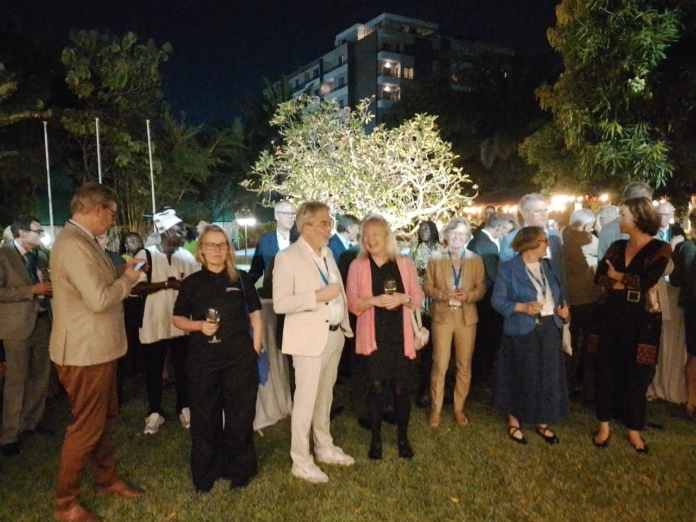

A high-level delegation of 21 university presidents, vice-presidents, and chancellors from Germany is visiting Ghana to strengthen academic cooperation and deepen strategic ties between Germany and West Africa.
The visit is organised by the German Academic Exchange Service (DAAD) as part of its “Higher Education Policy Information Visit” programme, which combines academic exchange with policy dialogue to translate contacts into long-term institutional cooperation. The initiative offers direct engagement with partner institutions and policymakers to gain first-hand insight.
Academic cooperation remains a central pillar of Germany’s international engagement, with partnerships in higher education becoming increasingly important in a changing geopolitical environment. Ghana has established itself as a regional hub for higher education and innovation in West Africa, driven by its political stability and strong commitment to education and academic excellence.
Consequently, the DAAD regional office was established in Ghana in 2025 to serve as a hub for academic cooperation between Germany and West Africa. The office supports universities and researchers in developing partnerships, accessing funding opportunities, and advising Ghanaian students on pathways and scholarships to German universities.
Long-standing And Growing Partnerships
Cooperation between German and Ghanaian universities has expanded significantly, with institutional partnerships nearly tripling over the past decade to reach 68. The number of Ghanaian students in Germany has also more than doubled since 2020, rising to almost 3,000.
These exchanges form the core of German-Ghanaian academic cooperation, built on personal connections and long-term trust. Student mobility fosters globally connected graduates, joint research promotes shared solutions, and institutional partnerships strengthen academic systems.
Many universities in the delegation maintain long-standing collaborations with institutions such as the University of Ghana and Kwame Nkrumah University of Science and Technology, alongside numerous other partnerships across the country. These collaborations span diverse fields including medicine, public health, energy, architecture, agriculture, climate research, education, and digital innovation.
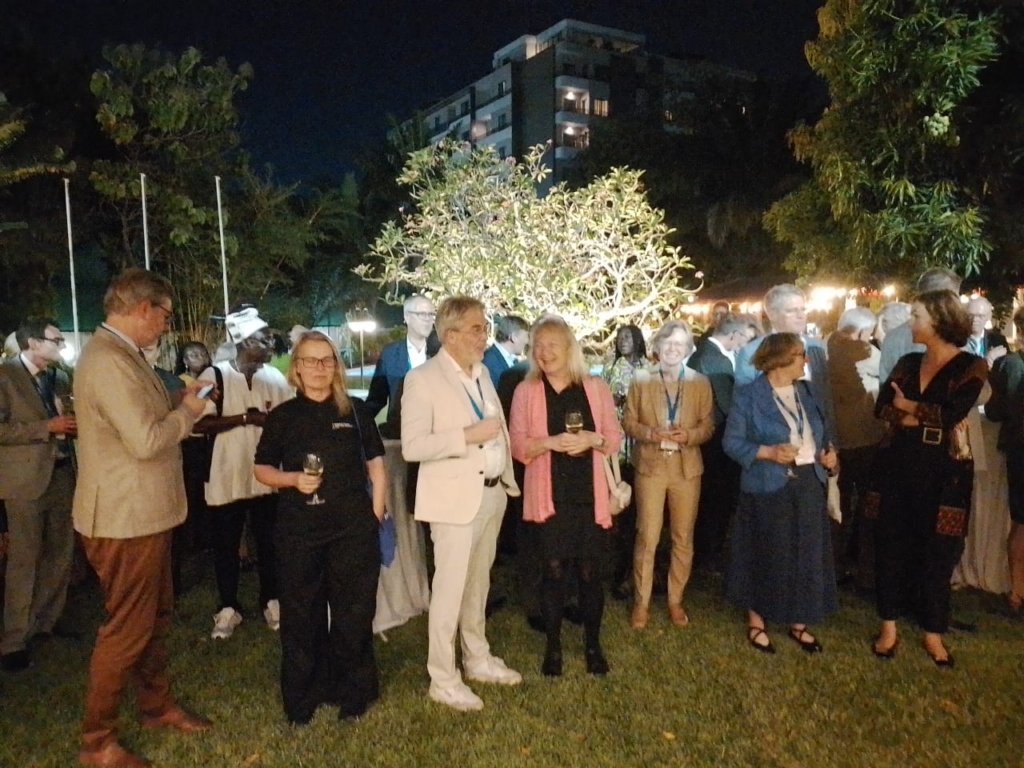
Speakers
• H.E. Frederik Landshöft, German Ambassador to Ghana
• Dr. Kai Sicks, Secretary General of the DAAD
• Prof. Juliane Winkelmann, Head of Delegation
Key Messages For Media
• Germany and Ghana are strategic partners in science and higher education
• Academic cooperation is a core element of Germany’s foreign policy
• People-to-people exchange is essential for sustainable partnerships
• The visit aims to translate dialogue into concrete cooperation projects
Quotes
Frederik Landshöft said:
“Academic cooperation is not only about institutions—it is about people. Sustainable partnerships grow from trust, shared knowledge, and long-term engagement between societies.”
Kai Sicks added:
“Behind every MoU are university leaders exchanging strategic ideas. Behind every partnership agreement are researchers working together on global challenges. And behind every mobility programme are young scholars building bridges between institutions and societies. This visit is about creating exactly those personal connections.”