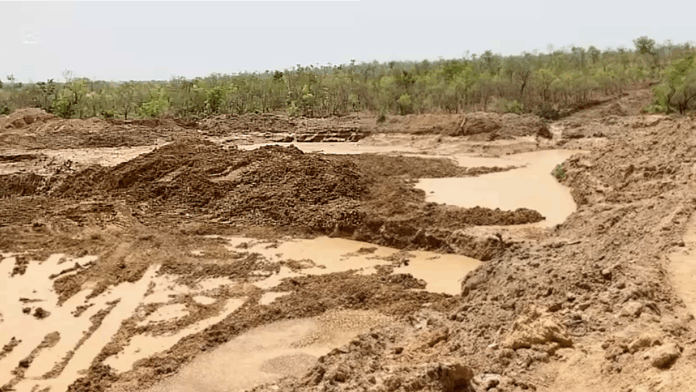

The Minority in Parliament has raised alarm over the devastating impact of illegal mining on cocoa farms, water bodies, and Ghana’s long-term food security.
In a Farmers’ Day statement signed by Minority Leader Alexander Afenyo-Markin, the caucus warned that the country is “running out of time” to protect the sectors that feed millions.
According to the statement, the day is not only meant for celebration but also for deep reflection.
“On the occasion of National Farmers’ Day, the Minority in Parliament extends heartfelt appreciation and resolute solidarity to the gallant farmers, fisherfolk, processors, and agricultural workers whose sweat and resilience continue to feed our nation — even as they face some of the gravest challenges in Ghana’s modern agricultural history.”
The Minority said farmers have been pushed into hardship by market failures and unmet government commitments, citing a “catastrophic grain market collapse” in which more than 1 million metric tonnes of paddy rice valued at GH¢5 billion reportedly remain unsold.
It said the government failed to fulfil its promise that the National Food Buffer Stock Company would purchase all locally produced maize and rice, leaving farmers stranded and threatening national food security.
The caucus also highlighted the struggles of fisherfolk, who it said are grappling with depleted stocks, illegal fishing, and severe logistical challenges due to the chronic shortage of premix fuel. Coastal communities such as Keta, it said, have seen livelihoods collapse as boats remain docked and families go hungry.
The statement noted rising frustration in the agricultural sector, pointing to farmer boycotts of national celebrations and protests demanding answers from government.
It accused the government of allowing markets to be distorted by “cheap, expired, and smuggled rice — often repackaged by politically connected importers,” which it said have made Ghanaian farmers uncompetitive.
The Minority warned that the worst destruction is unfolding in the cocoa sector. It referenced COCOBOD data indicating that 30,000 hectares of cocoa farms have been lost to illegal mining, leaving communities with degraded lands, polluted water, and collapsed livelihoods. Some farmers, it noted, have abandoned cocoa altogether to survive.
The caucus said the destruction of water bodies poses an existential threat to agriculture and fishing, citing turbidity levels in the Ayensu River rising “over 30,000 NTU,” far beyond what treatment plants can manage.
It also lamented the soaring cost of production, unreliable input supply, and the country’s continued dependence on food imports worth between $3.5 and $4.5 billion annually — a trend it described as unsustainable.
The Minority called for urgent investments in modern agriculture and blue economy solutions, including “AI-driven yield and catch forecasting,” precision farming, smart irrigation, and sustainable aquaculture systems.
Its demands include the immediate purchase of unsold grain stocks, restoration of premix fuel supply, strict enforcement against smuggled imports, and decisive national action against illegal mining and illegal fishing. It also urged adequate funding for the Feed Ghana Programme and support for advanced farming and fishing tools.
The statement concluded with a tribute to the country’s farmers and fishers.
“To the millions of Ghanaian farmers across our fields and the fishers upon our waters: We honour you. We celebrate you. We see your struggles. We stand with you,” it said.
The Minority warned that a country that allows illegal mining to destroy cocoa lands and water bodies risks its future and cannot secure food for its people. It wished all farmers a happy Farmers’ Day and reaffirmed its commitment to safeguarding their welfare.