
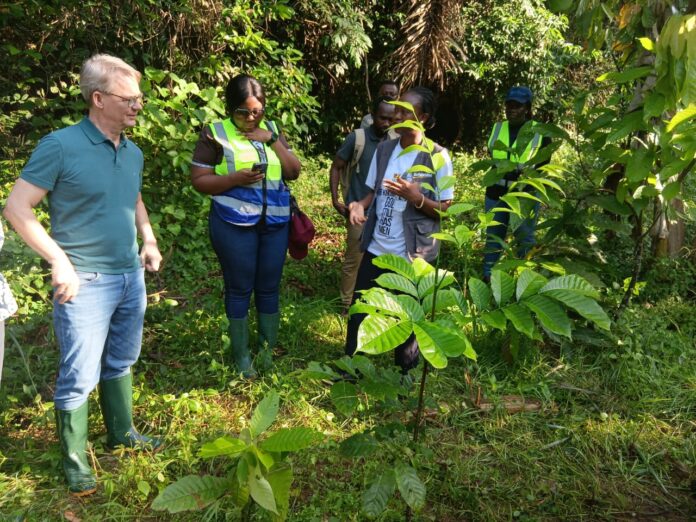

Awakwai is a farmer in the Sika Nti community at Asankragua in the Western Region. When he migrated to the community to work on a cocoa farm to make a living, he entered into a land tenure arrangement to farm his cocoa. But he will soon lose the land as the owner sold the land out for mining.
Without a farm and any alternative source of income, the young man was faced with a dilemma: the choice to either to live on empty stomach or take up employment at an illegal mining site, locally known as ‘Galamsey’.
The Chief of Jomoro, Nana Kwame Ketebu II, acknowledged that “any survival that affects the environment is unsustainable.”
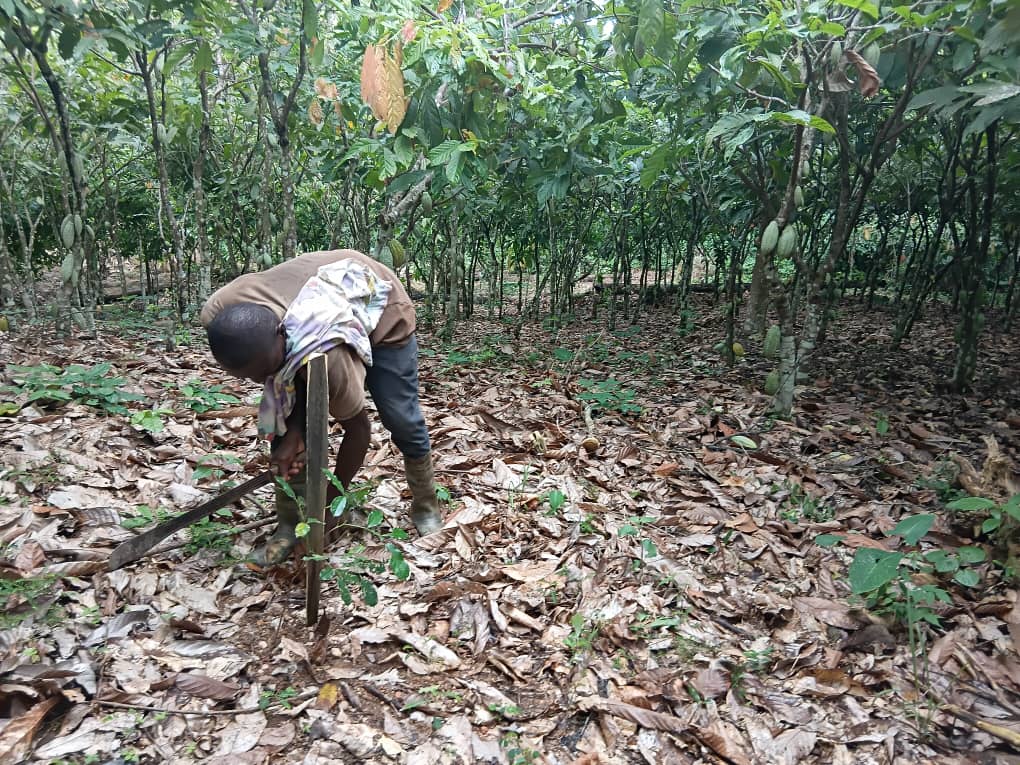
He also observed “the current situation of galamsey is seen in the nature of our rivers; in the nature of our forests; in the nature of destruction of the environment”.
Two years ago, Preferred by Nature, a global non-profit organisation, started working with partners on its first cocoa project called “Wassa Amenfi Cocoa Landscape Initiative (WACLI)” in Ghana to support farmers facing low-income levels, climate change, market pressure and declining yield.
“In doing so, the same question always kept coming back to us from many different actors across many different sectors; how can you work with cocoa without addressing the issue of galamsey?” said Jakob Nordborg Ryding, Senior Director of Strategic Projects at Preferred by Nature.
He noted that galamsey is currently one of the most severe risks to farmers, communities and Ghana’s cocoa future. “It’s contaminating rivers, it’s degrading soils, it’s dividing communities,” he said.
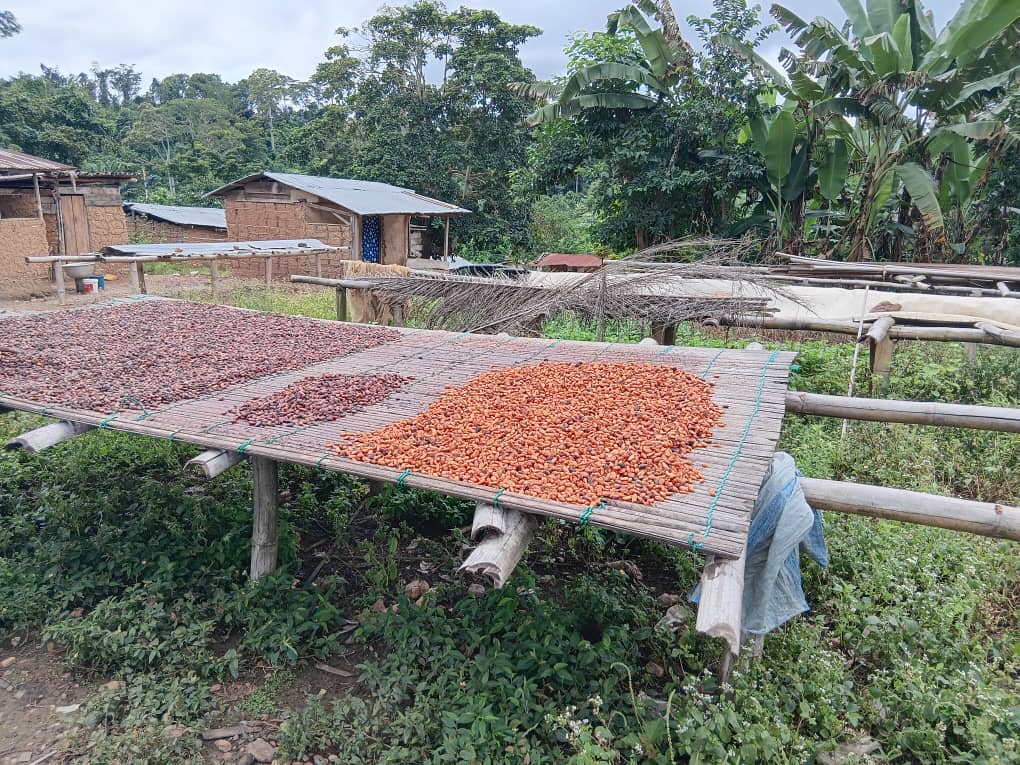
With over 30,000 hectares of cocoa farms lost, Ghana’s environmental and agricultural destruction through illegal mining is driving socio-economic collapse. There is high farmer displacement and social fragmentation, and most young people are dropping out of schools to work in mining.
Rikolto and Preferred by Nature are mobilising cocoa communities against Galamsey destruction for long-term livelihoods and health. They are adopting a three-pronged approach in community mobilization, alternative livelihoods, rehabilitation and alliances to halt and reverse the Galamsey crisis.
“Together with Rikolto, we will strengthen communities to advocate and organize against galamsey; we will create income and business opportunities that help vulnerable farmers resist galamsey and improve the long-term viability of cocoa farms; and we will begin the phytoremediation and agroforestry to restore the damaged mining areas and ensure the land is productive again,” explained Jakob at the project launch in Accra.
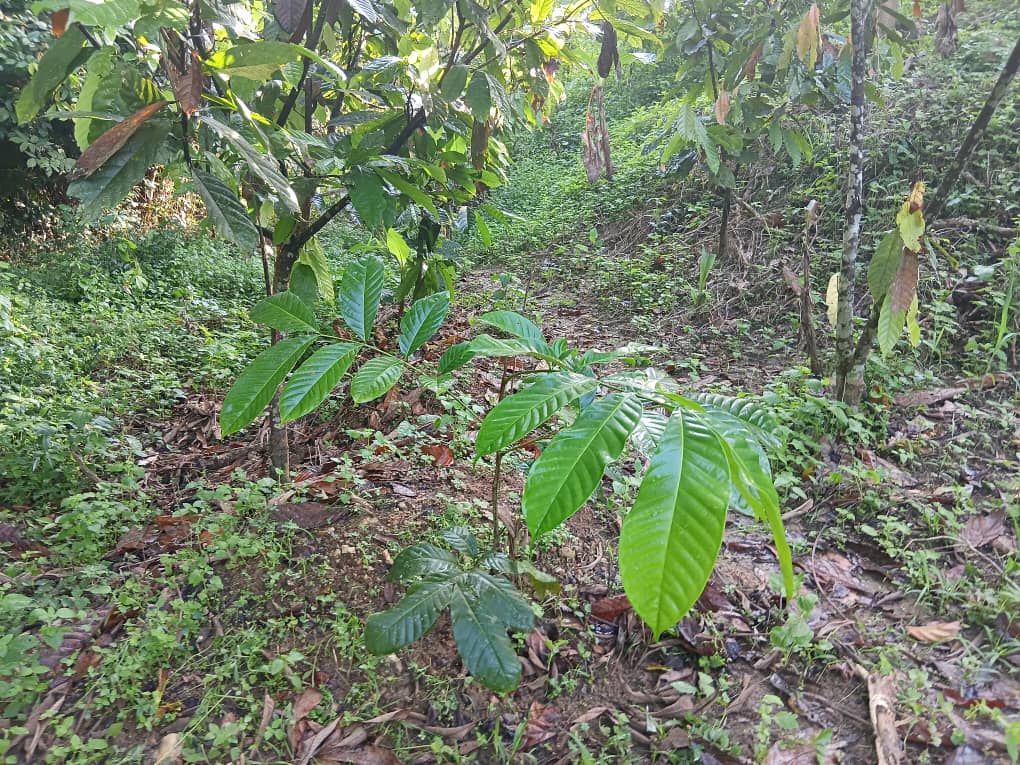
The project is described as a starting point, a platform to test real solutions on the ground through the direct involvement of the communities, while expecting all stakeholders to act.
According to Abdulahi Aliyu, Global Director, Sustainable Cocoa and Coffee Programme at Rikolto, the communities are aware of the negative effects of galamsey, especially when they are compelled to buy sachet water to irrigate their crops. And he believes these communities are willing to stop the menace of galamsey.
“Children are abandoning school to look for jobs on galamsey sites,” he observed. “If we want to talk about descent income for smallholder farmers, do we factor the issue that farmers buy water to apply chemicals on their farms which adds up to the cost of production?”
Mr. Aliyu noted that Ghana is losing its pride in the golden bean as cocoa is under the threat of illegal mining, known popularly as ‘galamsey’, hence the need for urgent action.
In turning the tide through the mobilization of cocoa communities against Galamsey, the project will introduce citronella cultivation and the setting up of processing plants to build resilient local economies.
The path to sustainable change will involve the establishment of three pilot processing plants, expansion of citronella cultivation, initiation of phytoremediation trials and full community ownership before project exit.
Some 3,000 farmers, including 1,500 women and 1,500 men from 12 communities in three districts, will be targeted, and the focus area will the proactive inclusion of women and youth in citronella processing ownership.
The 5-year (2025-2030) initiative titled “Turning the tide: Mobilizing cocoa communities against galamsey destruction for long-term livelihoods and health” with support from the Civil Society in Development (CISU) Denmark, has the overall goal to empower vulnerable cocoa-dependent communities to resist, consolidate, and sustainably reverse the advance of Galamsey.
The Head of Cooperation of the Danish Embassy in Ghana, Ms. Rikke Enggaard Olsen, believes the project is important as it empowers the local communities and builds partnerships to take action against galamsey.
“For a country that supplies around 20% of the world’s cocoa, the stakes couldn’t be higher faces by an issue such as galamsey. Cocoa is not just an export commodity; it represents jobs, community identity and multi-generational aspirations.
“When farmlands are destroyed and water sources contaminated, communities lose their resources that they need for sustainable growth,” she stated.
By Kofi Adu Domfeh
