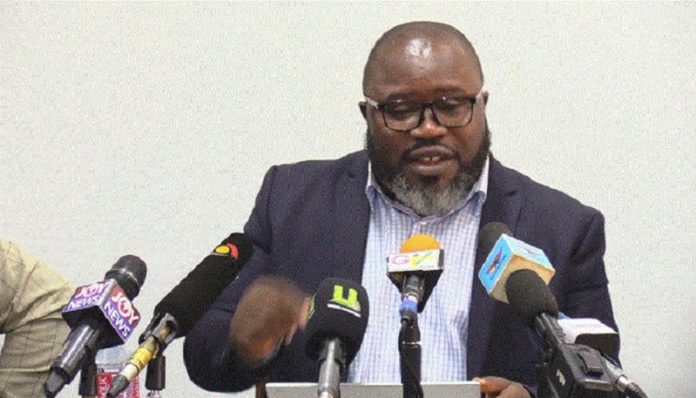

Executive Director of Africa Education Watch, Kofi Asare, has criticised the persistent politicisation surrounding the 2025 WASSCE results, warning that it distracts from addressing the real factors affecting learning outcomes nationwide.
His comments follow renewed public debate after former Education Minister Dr. Yaw Osei Adutwum reportedly attributed the decline in performance to alleged mismanagement within the Ghana Education Service (GES).
In response, the GES issued a statement on Monday, December 1, rejecting the claims as an attempt to “shift focus from his shortcomings” during his tenure overseeing the examination system. The Service also refuted suggestions that teachers’ allowances had been cancelled, noting that the Controller and Accountant-General’s Department had already explained the reasons behind the delayed November payments.
The GES further emphasised that the 2025 WASSCE was conducted under heightened security, enhanced supervision, and stricter invigilation, resulting in the arrest of students and staff involved in examination malpractice.
Speaking on Channel One TV’s The Point of View, Mr. Asare expressed concern over the recurring trend of political interference in discussions about the exam.
“Well, it’s unfortunate that, as usual, it has been politicised. Similar issues were raised in 2019, 2020, and I remember Eduwatch issued a statement advising politicians not to bring their politics into WASSCE results,” he said. “Unfortunately, it’s convenient for some to do politics and make capital out of it, as if there’s any capital at all to be made.”
He stressed that politicisation prevents the public from focusing on the real challenges affecting student performance.
“And whenever that happens, it clouds the real issues that citizens should appreciate,” he added. “It is important that the Ghana Education Service and stakeholders ensure that the lessons meant to be learned are learned, and interventions deployed to improve the status quo are carried out without distraction.”