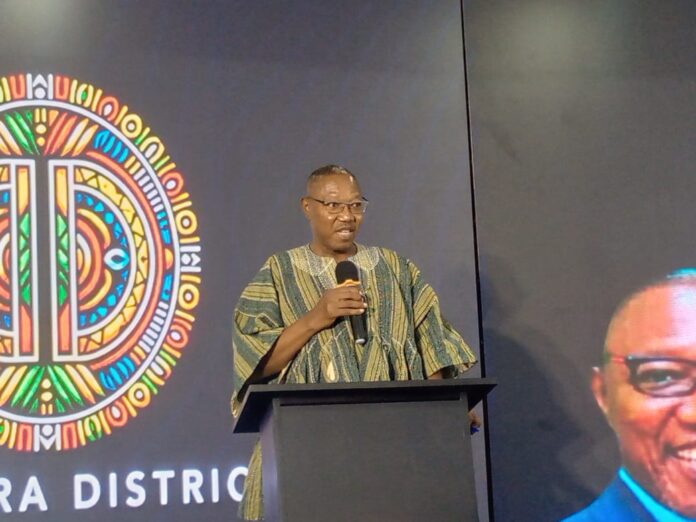

Deputy Education Minister Dr. Clement Abas Apaak has said Ghana’s education system must be deliberately aligned with opportunities that prepare young people for work and national development.
Dr. Apaak made the call in Accra on Wednesday, December 17, 2025, while delivering an address at the Diaspora District Global Education Conference.
He stressed that education without clear post-graduation pathways leaves young people exposed.
“Education must be intentionally connected to opportunity, to workforce development, to entrepreneurship, to industry, to policy, and to the real lives young people are expected to build after graduation,” he said.
He explained that achieving this vision requires strong, coordinated partnerships across sectors. “This is where partnership becomes essential,” Dr. Apaak noted, outlining the distinct but complementary roles of key stakeholders.
“Educators shape minds and potential. Industry understands skills, markets, and the future of work. Government sets vision and creates conditions for scale. And the diaspora brings global perspective, experience across systems, and bridges to opportunity.”
According to the Deputy Minister, the absence of collaboration creates barriers for students transitioning from school into work.
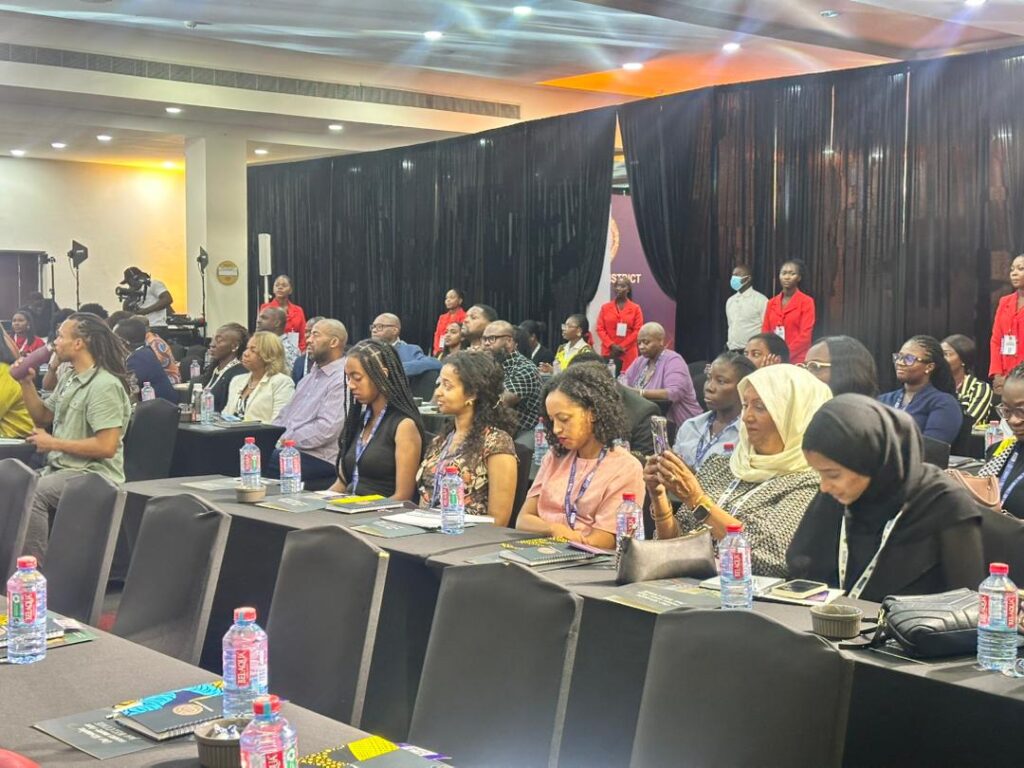
“When these forces operate separately, young people are left to navigate the gap alone. When they work together, that gap becomes a bridge,” he said.
Dr. Apaak emphasized that the challenge is not to overburden educators but to support them meaningfully.
“That is the call before us: not to ask educators to do more alone, but to surround education with the partnerships it deserves,” he stated. He added that systems must be redesigned to reflect today’s realities.
“Not to retrofit young people into broken systems, but to design pathways that make sense for the world they are entering.”
He called for the creation of practical learning ecosystems. “We must create ecosystems where learning leads somewhere, where skills translate into livelihoods, where education prepares young people not only for exams but for life,” Dr. Apaak said.
Addressing teachers directly, he emphasized their central role in shaping policy and reform.
“Your work matters more than you are often told. Your insight must shape policy, your experience must inform partnerships, and your leadership must remain central to how we design the future of education and work,” he said.
Dr. Apaak also challenged the private sector and development partners to see education as a strategic priority.
“The future workforce is not being built somewhere else. It is being built in classrooms right now,” he said, adding that “engagement with education is not charity; it is investment.”