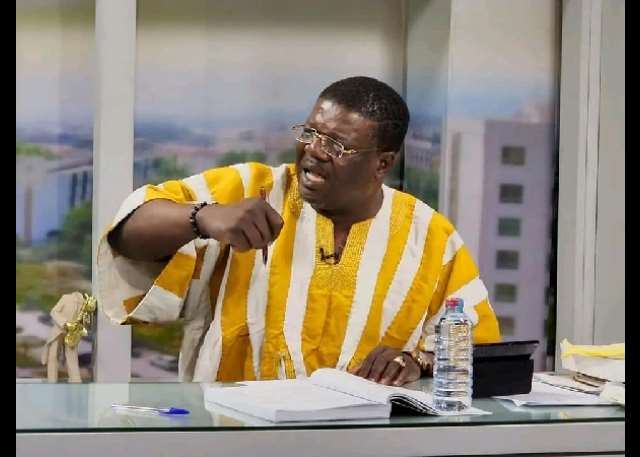

The Majority Chief Whip, Rockson-Nelson Dafeamekpor, has defended state sponsorship of the Hajj pilgrimage, describing it as a critical social intervention that promotes peace, religious harmony, and national stability.
Speaking in an interview on Channel One TV’s Face to Face, Mr Dafeamekpor emphasised that government support for the annual pilgrimage to Mecca was not introduced by the current administration but inherited as part of an existing policy framework.
“The decision by the state to fund this is a major social intervention policy that I would defend anywhere. This government didn’t introduce Hajj arrangements; it inherited them,” he stated.
He explained that the Hajj has evolved beyond a purely religious obligation, now carrying socio-religious and political dimensions, particularly in relation to Ghana’s bilateral ties with Saudi Arabia.
According to Mr Dafeamekpor, the pilgrimage is regulated through formal agreements between Ghana and Saudi authorities, covering the preparation of pilgrims, travel logistics, accommodation, performance of rituals, and their safe return.
“Hajj, believe you me, is not merely a religious affair. It has a direct connection with our relationship with Saudi Arabia — how we manage them before they enter, how they are managed there, and how they go through the rituals and return home,” he explained.
He further argued that state support for the pilgrimage contributes significantly to maintaining religious harmony and social cohesion.
He cautioned that if economically disadvantaged Muslims who aspire to undertake the pilgrimage feel sidelined due to financial constraints, it could generate agitation and threaten social stability.
“The concept of peace and religious harmony is central to ensuring stability. If a group of people want to go on this pilgrimage to Mecca and are unable to pay and begin to agitate, some instability can occur,” he said.
Mr Dafeamekpor also highlighted the broader role of faith in governance, noting that prayers and religious observances often form part of official state functions.
“It’s important to recognise the role faith plays in state affairs and harmonise it for the benefit of stability. Where we have stability in matters of state and religion, the state blossoms and flourishes,” he added.
He concluded that successive governments have maintained the policy because of its social, cultural, and religious value, insisting it remains a major social intervention he would defend anywhere.