
As the Ghana Cocoa Board races against time to rethink its financing scheme in cocoa purchases, some farmers in the Ashanti region are contemplating smuggling the beans to neighbouring countries and selling off their lands to illegal miners.
For three months now, the farmers have eagerly awaited payments for the bags of cocoa beans they sold to the COCOBOD through licensed cocoa buying companies.
Their regular visits to local moneylenders have proven futile, leaving many of them in a real struggle to fend for themselves and their families.
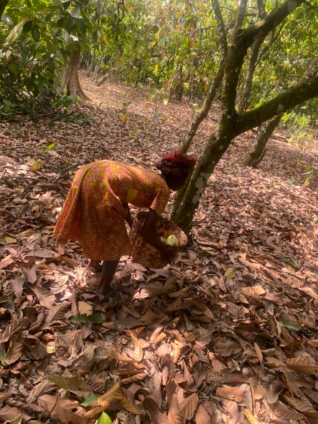
David Berko and his wife combed through their cocoa farm parcel in the Kofiase community of the Ashanti region in a desperate search for ripe cocoa pods.
After hours of frantic search, they collected a basket of the pods and headed to their thatched house sitting in the middle of the deep cocoa plantation.
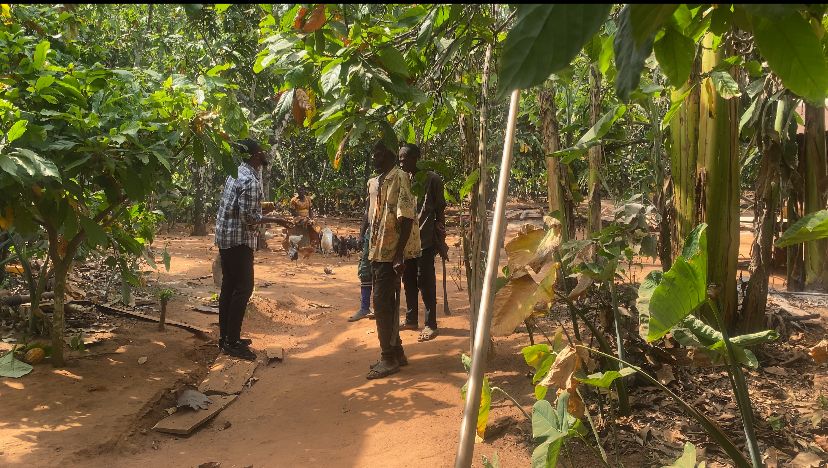
This has been their source of livelihood for nearly three decades.
But the past few months have been unprecedentedly difficult.
“Times are hard now. We used the initial payment to settle our labourers. Because I have no money, I told my son to stay home for school,” David said.
For three months now, the couple have not received any funds for the cocoa beans they supplied to the local licensed buying company.
Requesting money from them has become a daily struggle, throwing them into untoward hardship.
“Yesterday we ate ampesi. This morning, we have no cash on us for food. The purchasing clerk told us to come for the money. But when my husband went there, he told him, there isn’t any now. We’ve been chasing the money since,” David’s wife added.
A few meters away from David’s abode, I meet Shaibu, also a cocoa farmer.
His story isn’t any different.
“We are suffering. We have no money. I thought you’d come here to give me money. My wife has left me alone in the bush to cater for our children,” he said.
This is the plight of many cocoa farmers across the country.
After receiving the October payment, funds for all the harvests they made from November to date have not been paid.
The joy that erupted after the government increased cocoa prices has been short-lived.
“This government cares less about the cocoa sector. We’ve ever been in this situation before,” Nana, another cocoa farmer, noted.
The government, in October 2025, set its farmgate price at 58,000 cedis per metric tonne, selling at approximately 3,228 cedis per 64-kilogramme.
But the price adjustment came with a new cocoa financing regime. COCOBOD announced that no syndicated loans were secured for the 2025/26 crop season.
The reworked cocoa financing system saw farmers sell beans to licensed buying companies, which then sell to COCOBOD and through its marketing arm, COCOBOD sells the cocoa to international buyers.
The arrears have seen many licensed buying companies operating under COCOBOD halt purchases.
Kwadwo Adubofour is a purchasing clerk for OLAM at Ekona.
“The money isn’t coming. We’ve credited some bags of the cocoa, for which we expect that payments will be made for them. The LBCs have informed us not to take any cocoa again. They suspect a cocoa price reduction in the coming days,” he said.
Data from the Bank of Ghana indicates cocoa traded at approximately 5,800 dollars per tonne on the global market as of December 2025, declining from over 11,000 dollars at the beginning of that year.
Industry sources say the recent decline in international prices has made it difficult for COCOBOD to secure advance payments from traders, forcing the central government to step in to provide funding.
Professor Robert Aidoo is an agricultural economist at the KNUST.
“Wanting to get the most from the international market is good. But I think it doesn’t have to be done by sacrificing the welfare of the farmer,” Prof Aidoo noted.
While some farmers find alternative farming to support their families, others are contemplating smuggling and selling off their lands to illegal miners.
“The government is now focusing on gold. If that’s the case, then I will sell my land to illegal miners to get the money due me. I want to even snuggle mine,” Nana threatened.
Sources indicate that the COCOBOD is rethinking its financing strategy as large amounts of the cocoa beans pile up in farms, putting investments at serious risk.
“The government can utilise the benefits from the gold program to pay off the farmers, if they are now saying the economy is being stabilised through the gold for forex program,” Prof Aidoo recommended
But one question lingers on the minds of the farmers as they harvest the beans: “Who will buy them after drying?”
ALSO READ: