
In the discourse about Africa’s technological future, we tend to focus on the wrong things. We celebrate foreign investment in tech hubs. We marvel at the latest gadgets imported from Silicon Valley.
We pin our hopes on grand infrastructure projects that often take years to materialize. Meanwhile, the most critical element of our technological destiny is sitting in classrooms right now, waiting to be discovered.
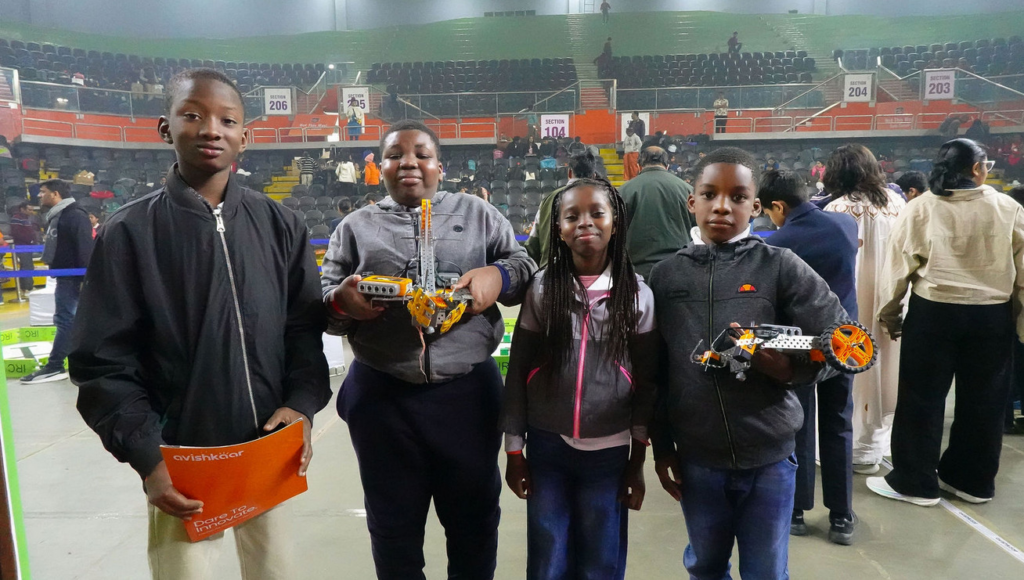
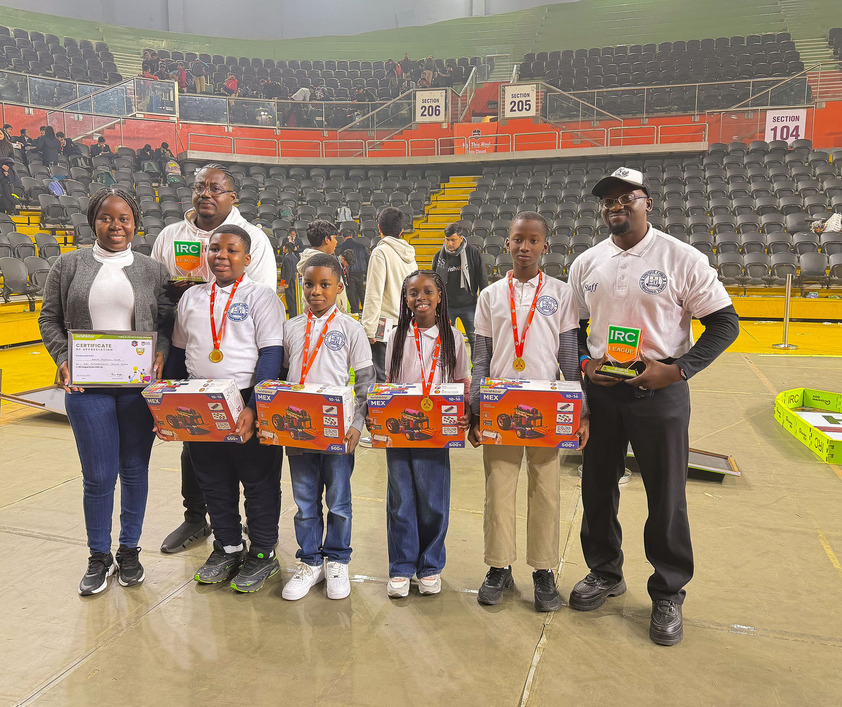
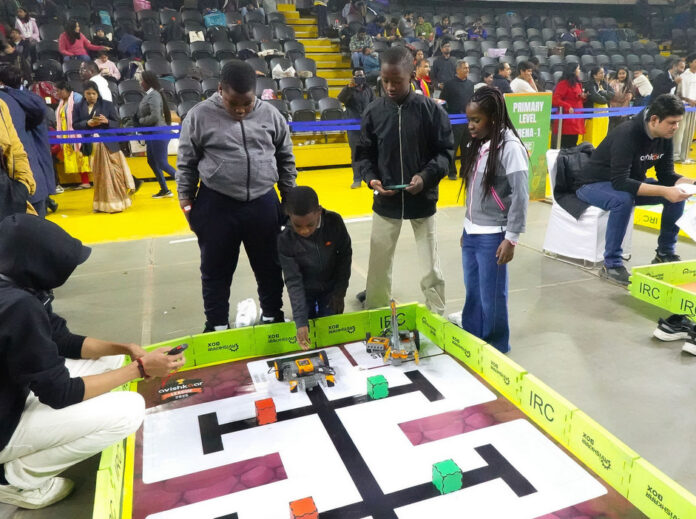
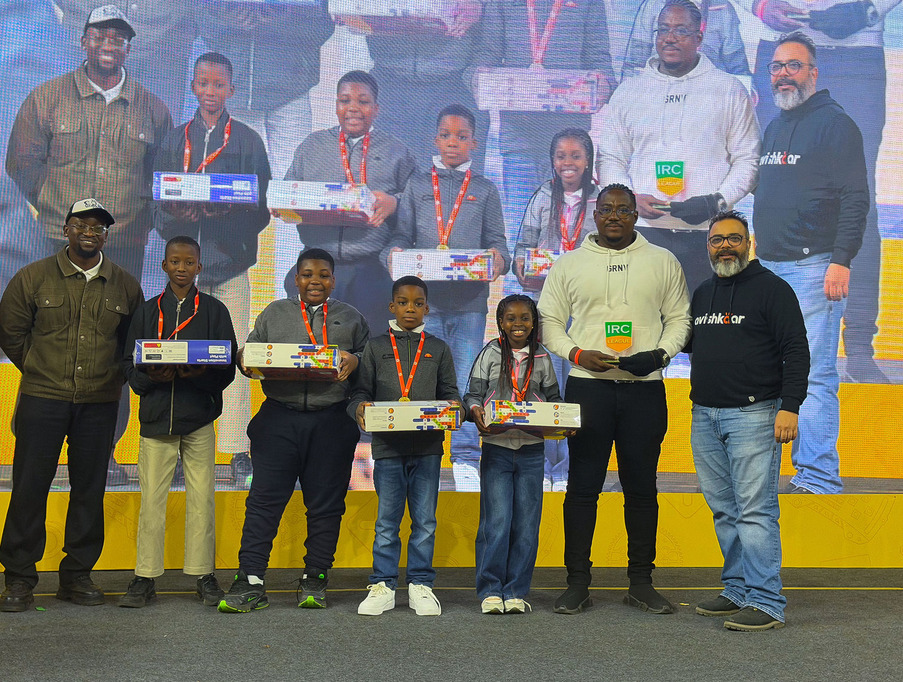
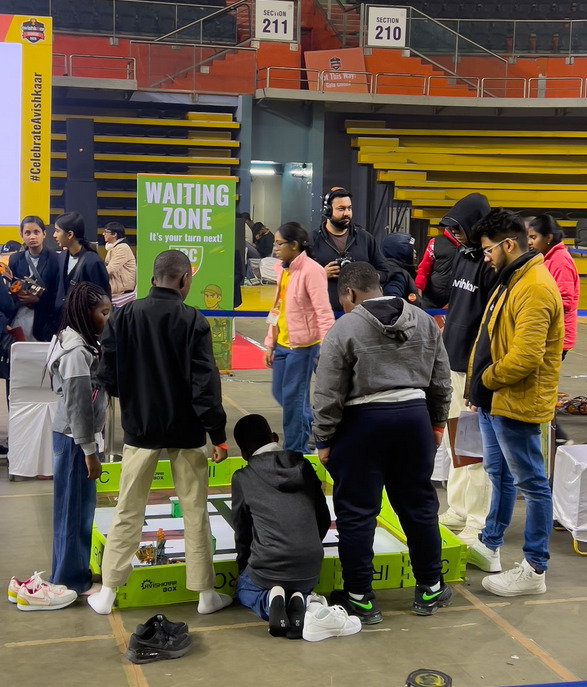
The recent performance of four students from Unique Child International School (UCIS) at the Avishkaar International Robotics Competition (IRC) League 2026 in India offers a profound lesson in where our priorities should lie.
By capturing the Best International School Performer award in their category and the Best International Stellar Award across all categories, these young Ghanaians demonstrated that the raw material for a tech revolution is already present in abundance. The only question is whether we will invest in refining it.
Let us be precise about what this victory signifies. The students were challenged to operate both a manual and an automated robot, a task demanding not just programming expertise, but the ability to integrate multiple disciplines under intense time pressure.
They succeeded because they had been trained not merely to follow instructions, but to think critically, adapt quickly, and perform with composure in an unfamiliar environment.
Behind this success stands Appipa Solutions, a Ghanaian robotics firm that understands something many policymakers have yet to grasp: that technological sovereignty cannot be imported. It must be cultivated, starting at the earliest stages of education.
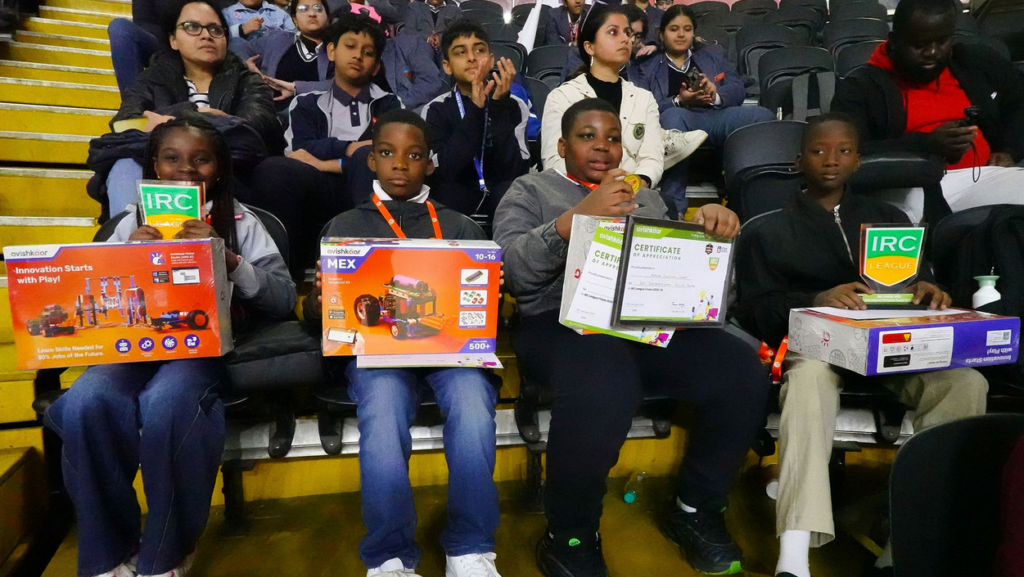
Appipa provides the structured programmes, the expert mentorship, and the global exposure that turn interested students into international competitors. They are proving that world-class tech education is not exclusive to wealthy nations.
The argument for making robotics education a national priority rests on three pillars that should compel action from anyone concerned about Africa’s economic future.
First, there is the economic imperative. The global economy is being reshaped by automation and artificial intelligence. Nations that produce innovators will thrive; nations that merely consume technology will find themselves perpetually dependent.

Every robotics classroom in Africa is a small-scale engine of economic transformation, producing graduates who can design solutions rather than wait for them to arrive from elsewhere.
Second, there is the educational imperative. Traditional pedagogy, with its emphasis on memorization and examination performance, is increasingly inadequate for the challenges of the 21st century.
Robotics education, by contrast, teaches students to embrace failure as a learning opportunity, to collaborate across disciplines, and to persist through complex problems. These are not just technical skills; they are life skills that prepare young people for leadership in any field.
Third, there is the imperative of representation. The students at UCIS articulated this powerfully when they spoke of being “active contributors” to the AI-driven future rather than “spectators.”
For too long, Africa has been on the receiving end of technological change. Our children deserve to be among the creators, the builders, the ones who shape how technology evolves and who it serves.
None of this is to suggest that the path forward is easy. Scaling robotics education across the continent will require significant investment in infrastructure, teacher training, and curriculum development.
It will require partnerships between schools, private sector firms like Appipa, and government agencies. It will require patience, as the fruits of educational investment often take years to fully ripen.
But the alternative, continuing with an educational model that leaves our children unprepared for the future, is simply unacceptable.