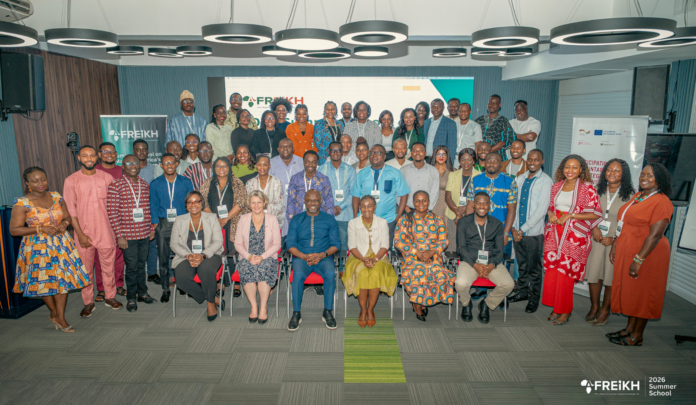

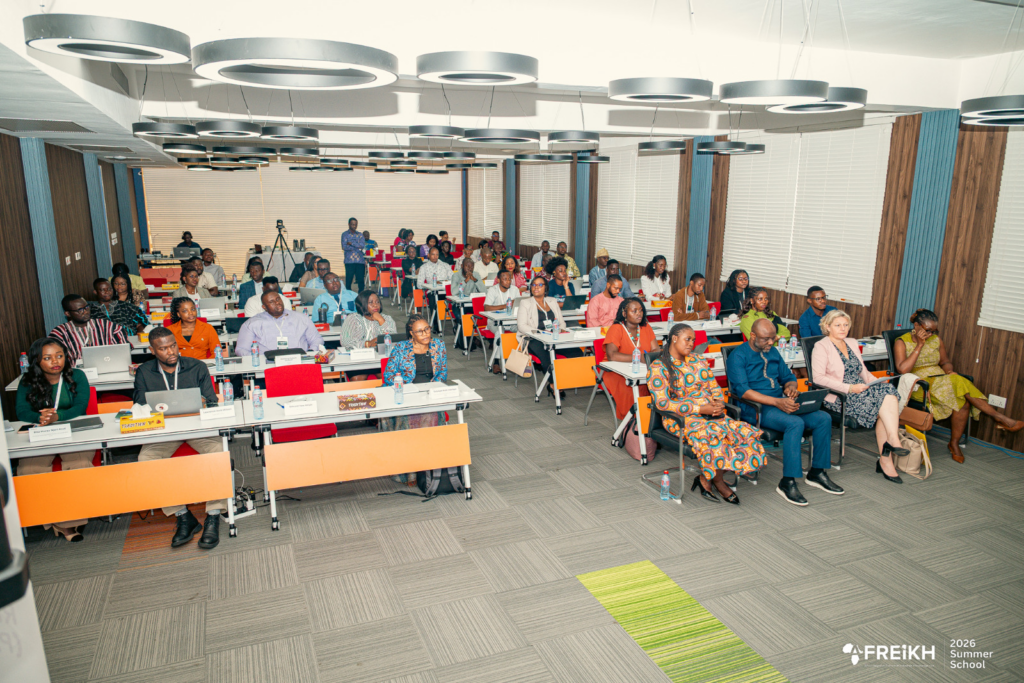
Extractive sector stakeholders, policymakers and advocates from across Anglophone Africa have gathered in Accra for the 2026 Africa Regional Extractives Industries Knowledge Hub (AFREIKH) Summer School, confronting a critical question: can the continent finally turn its critical mineral wealth into sustainable development?
Organised by the Africa Centre for Energy Policy (ACEP), with support from the Natural Resource Governance Institute (NRGI) and GIZ, the intensive one-week event comes amid soaring global demand for transition minerals such as lithium, manganese, graphite, nickel and cobalt.
With the global energy transition underway, Africa stands at a critical turning point, one that could either repeat past resource failures or propel the continent towards a more sustainable and industrialised future.
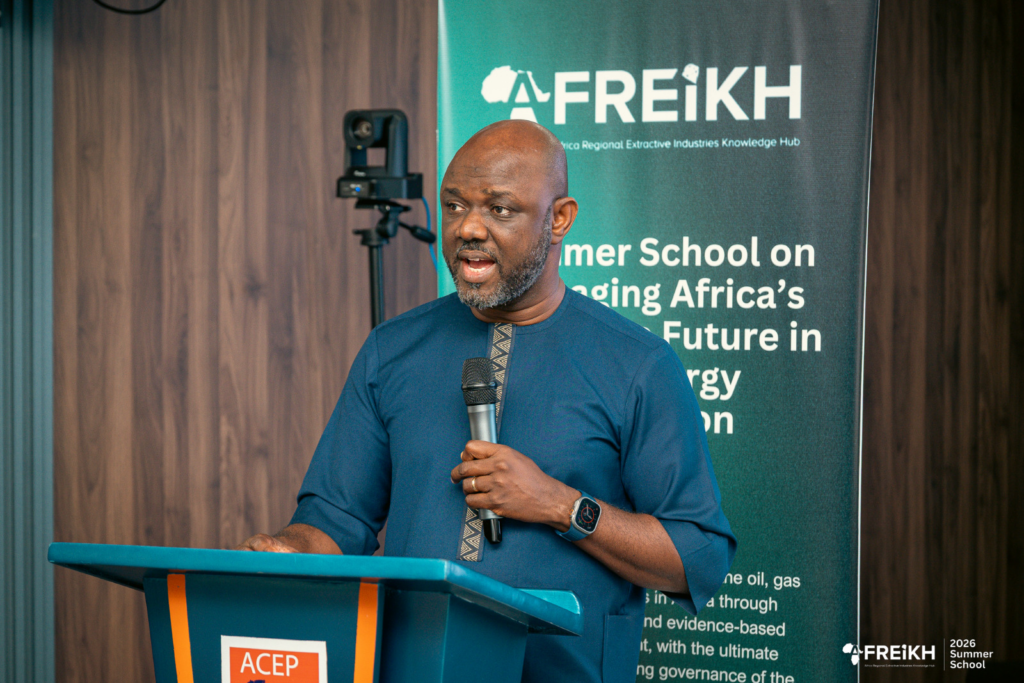
The summit opened with a blunt assessment of Africa’s extractive history. Addressing the third cohort of next-generation researchers, policymakers and leaders, Benjamin Boakye, Executive Director of ACEP, spoke candidly about the legacy of crude oil and precious mineral exploitation.
“Across the African continent, crude oil exploration has generated enormous expectation but too often those expectations have not translated into development,” Mr Boakye stated. “We have seen revenues lost, institutions weakened and opportunities for economic transformation missed.”
He added that in many countries, mining has frequently become associated with environmental destruction, while local communities are left behind.
Rather than ignoring these past shortcomings, Mr Boakye urged stakeholders to collectively reflect on them and use the lessons to drive future reforms.
“We should perhaps embrace some shame collectively about this reality. But shame on its own will not change anything. We must turn that shame into determination; determination to learn from our mistakes; determination to bring strong institutions; determination to demand accountability; and above all, determination to think differently,” he emphasised.
According to him, the critical minerals beneath African soil must serve a higher purpose.
“The resource beneath our soil should not be a curse; it should help us leapfrog development and create opportunities and address the poverty that threatens millions of Africans.”
A demand for new development outcomes
As global markets scramble for resources to power technological advancements, African leaders and policymakers are demanding a structural shift away from traditional raw-export models.
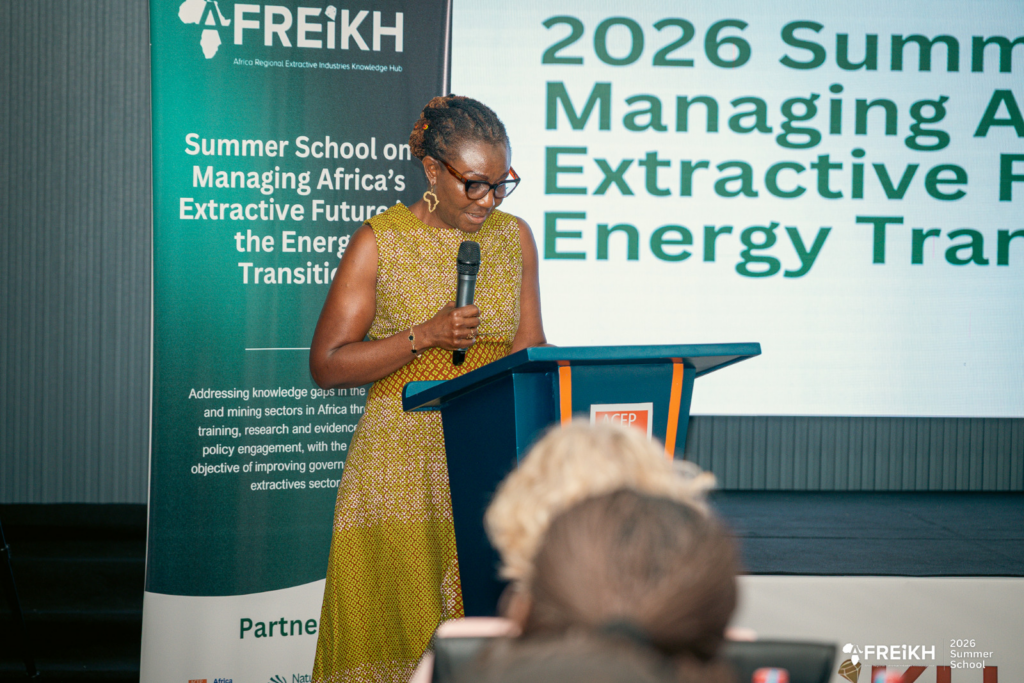
Nafi Quarshie, Africa Director of the Natural Resource Governance Institute (NRGI), challenged participants to actively dismantle outdated extractive frameworks.
“Our challenge is not simply to extract different minerals; it is to produce different development outcomes,” she said.
She argued that the continent cannot remain energy-poor, capital-constrained and insufficiently industrialised while holding many of the resources critical to the global green transition.
To address this paradox, Ms Quarshie called for a cohesive regional strategy.
“Collectively, the continent must become more strategic about where they can process, manufacture, innovate, build regional markets and develop the skills and infrastructure that will allow value to remain on this continent,” she said.
The call to move beyond the simple supply of raw resources was echoed by international development partners.
Magdalena Wüst, Deputy Head of Cooperation at the Embassy of Switzerland, emphasised that natural wealth alone cannot guarantee development.
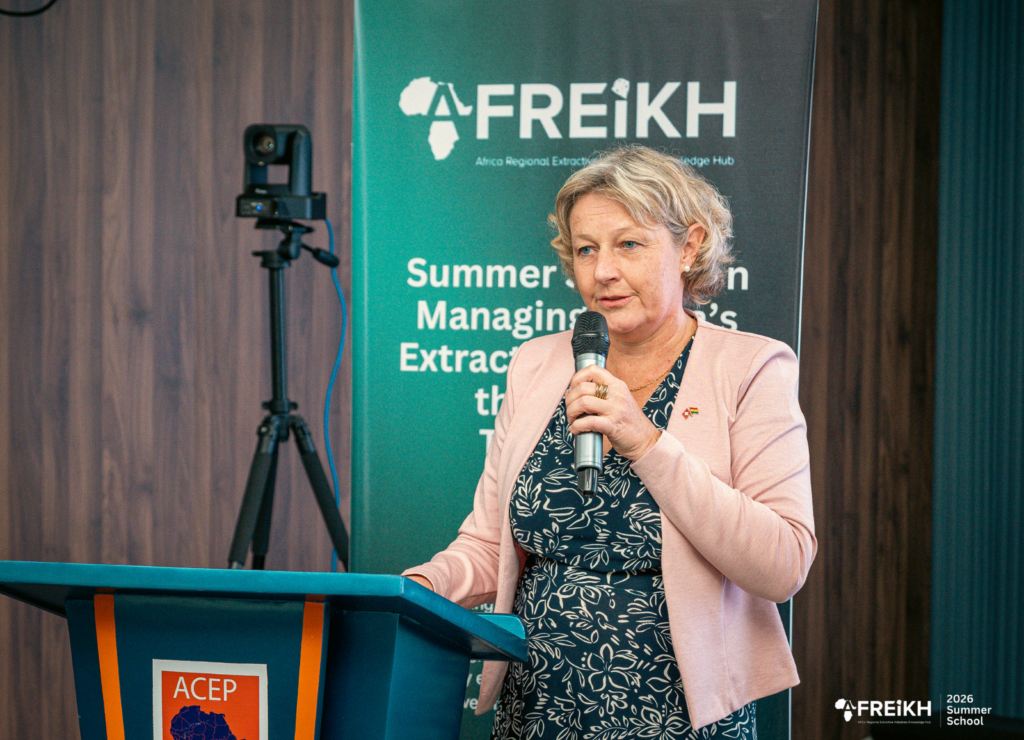
“As global energy systems evolve through the energy transition, rising demand for critical minerals and shifting investment trends, Africa must move beyond being a resource supplier to capturing greater value from its national wealth,” she said.
Ms Wüst noted that a successful transition would depend fundamentally on domestic governance.
“A successful energy transition will not only depend on Africa’s resources but also on the strength of its institutions and people that command them.”
The Summer School, which runs until August 27, is designed to equip participants with the tools, knowledge and perspectives needed to navigate the complex governance and fiscal challenges associated with the extractive sector.
While the energy transition presents significant socioeconomic and environmental opportunities, organisers warned that corruption risks and persistent governance challenges could undermine potential gains.
To seize the opportunity presented by the critical minerals boom, resource-rich African countries must adopt economic policies that integrate the demands of the energy transition while promoting transparent and inclusive governance.
As Mr Boakye noted, ACEP remains committed to changing the continent’s trajectory “through a comity of people willing to learn together, challenge each other, remain committed for the long term.”
Tatale Sanguli officials destroy expired food products, warn traders
Tanoso Traditional Council funds several anti-galamsey operations – Ankobeahene