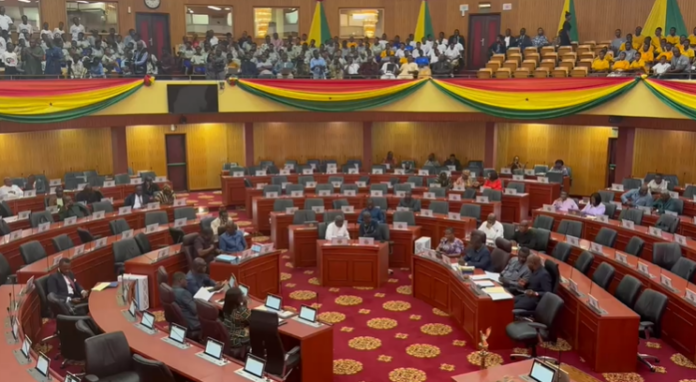

The Parliament of Ghana is set to open its first Parliamentary Museum to the public from Tuesday, September 22, 2026.
The museum, located within the precincts of Parliament, is expected to offer visitors an opportunity to explore the history and evolution of Ghana’s parliamentary institution.
According to Parliament, the museum is a legacy project of the Speaker, Rt. Hon. Alban S. K. Bagbin, aimed at deepening public understanding of Ghana’s parliamentary history and strengthening public engagement with the institution.
The museum will be open to visitors from Mondays to Fridays, between 9:00am and 4:30pm.
Its collection features historical photographs, parliamentary documents, records of past proceedings, artefacts and memorabilia belonging to former Speakers, as well as archival materials relating to the Legislative Council and Ghana’s constitutional milestones.
Visitors will also have access to ceremonial and symbolic items associated with Parliament, alongside interactive multimedia exhibits explaining the law-making process and the history of governance in Ghana.
Parliament said the facility is designed to serve a wide range of visitors, including students, researchers, tourists, cultural enthusiasts, Members of Parliament and parliamentary staff.
For students and researchers, the museum is expected to provide access to historical materials relevant to the study of Ghana’s parliamentary and constitutional development.
Tourists and cultural visitors, meanwhile, will have another heritage attraction through which to explore Ghana’s democratic history.
Parliament said the museum will also help preserve institutional memory and provide international partners and other legislatures with an insight into Ghana’s democratic heritage.
Members of the public who wish to visit the museum are required to book through Parliament’s official website by selecting “Visit,” followed by “Museum,” and completing the booking form.
Applicants will receive a notification once their requests have been approved.
The opening of the museum forms part of Parliament’s broader commitment to public education, openness and the preservation of Ghana’s legislative history for future generations.