

The streets and compounds of Kokomlemle came alive with vibrant colours, rhythmic drumming and the aroma of kpokpoi as the Ga community celebrated this year’s Homowo Festival.
At the centre of the celebrations was Nii Ayikwei Kakalor I, Chief of Kokomlemle, who used the occasion to mark three years on the stool while calling on residents, particularly the youth, to embrace discipline, education and cultural pride.
Speaking at the Kokomlemle Palace, Nii Kakalor I wished residents and well-wishers a Happy Homowo and noted that this year’s celebration marked his third year on the stool and the second time he had performed the traditional sprinkling of kpokpoi as chief.
He described this year’s celebration as more beautiful and successful than the previous one, noting that the traditional sprinkling of kpokpoi had been extended to a wider area of the community.

“This year’s Homowo celebration has been more beautiful and successful than last year’s, with the sprinkling of Kpokpoi extended to a wider area in the community,” he said.
The chief expressed gratitude to his family, invited guests and residents for their support and active participation in the celebrations.
Chief cautions youth against drug abuse
Nii Kakalor I also used the occasion to caution the youth against drug abuse, describing it as a destructive habit that could jeopardise their future.
He urged young people to prioritise education, develop themselves and strive to become better versions of themselves for the benefit of their families and the wider community.
The call for unity and education was echoed by Nii Armah Okpah II, Regent of Gbese Mantse and Chief of Agbogloshi/Korle Woko.
In his address, Nii Armah Okpah II stressed the importance of unity among residents, urging them to work together for the development of their communities.
“In oneness everything will be well, but in disunity nothing will be well,” he said.
He also thanked residents and visitors for joining the community to celebrate the festival.
Homowo: Hooting at hunger
Homowo, which means “hooting at hunger” or “jeering at hunger” in the Ga language, is one of the most significant traditional festivals of the Ga-Dangme people of Greater Accra.
The festival commemorates the Ga people’s triumph over famine and hardship and serves as an occasion for thanksgiving, cultural renewal and communal bonding.

Oral traditions link the origins of Homowo to the migration and eventual settlement of the Ga people on the Accra plains. According to traditional accounts, their ancestors endured a severe famine during their journey, resulting in widespread hunger and loss of lives.
The people are said to have turned to their priests and deities through prayers, sacrifices and periods of spiritual reflection.
When the rains returned and the land produced a successful harvest, particularly of maize, the people celebrated their victory over hunger by “hooting” at it. The tradition has since evolved into the annual Homowo Festival.
A major feature of the festival is the sprinkling of kpokpoi, a traditional dish made primarily from corn dough and palm oil. The food is prepared and shared as part of rituals honouring ancestors and expressing gratitude for abundance.
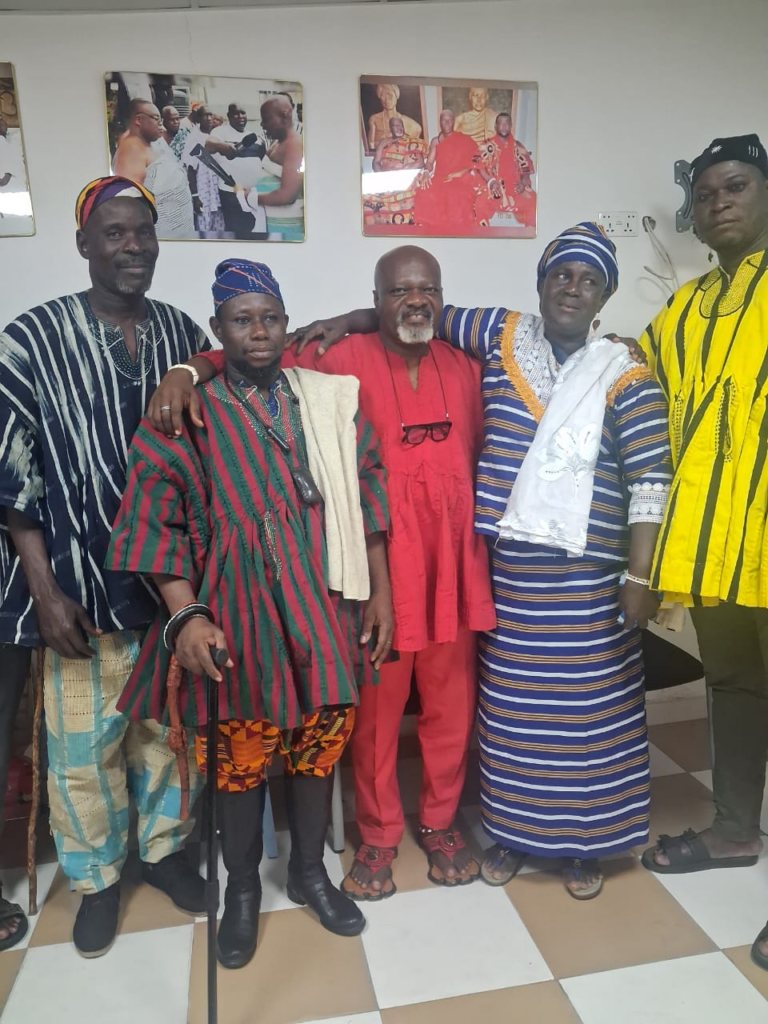
The sprinkling of kpokpoi by chiefs, elders and family heads at compounds, shrines, crossroads and other traditional sites symbolises the defeat of hunger and the sharing of blessings with both the living and the departed.
Homowo celebrations take place across several Ga communities, including Ga Mashie, Osu, La, Teshie, Nungua and Tema, with the timing varying from one traditional area to another.
Tradition meets contemporary concerns
In Kokomlemle, this year’s celebrations combined traditional rituals with messages focused on contemporary social challenges.
Nii Kakalor I’s warning against drug abuse and call for greater commitment to education reflected a broader appeal for the younger generation to overcome challenges through discipline and collective effort.

Similarly, Nii Armah Okpah II’s emphasis on unity reinforced the communal values at the heart of Homowo.
As the celebrations drew to a close, residents were reminded of the enduring lessons of the festival: resilience in the face of hardship, gratitude for abundance, respect for tradition and the importance of unity.
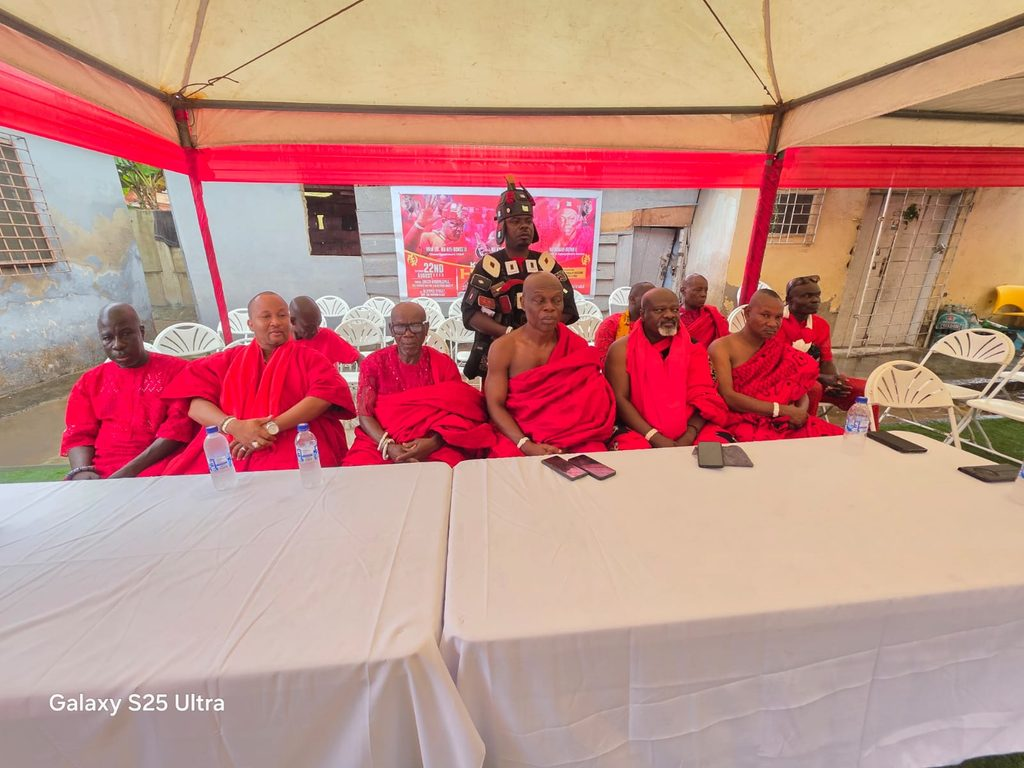
For Kokomlemle, the celebration served not only as a remembrance of the Ga people’s triumph over hunger but also as an opportunity to inspire a stronger and more responsible community for the future.