
Ghana’s indigenous languages are disappearing faster than many realise, with experts warning that several could vanish within a generation if urgent steps are not taken to preserve them.
The Executive Director of the Ghana Library Authority, Alhassan Betintiche Ziblim, has raised concerns over the growing threat facing the country’s linguistic heritage, noting that while only a few Ghanaian languages have become completely extinct, about 40 others are currently at risk of extinction.
He said without deliberate efforts to document, teach and promote these languages, more could be lost permanently.
Among Ghana’s languages that have already disappeared is Boro, once spoken around Worawora and Tapa in the central-eastern part of the country.
By the end of the 19th century, Boro had reportedly been reduced to only one elderly speaker, and today, only a few words remain in historical linguistic records.
Mprɛ, also known as Mpra, suffered a similar fate. The language was once spoken in Butei, a community between Techiman and Tamale, but gradually disappeared during the 20th century, with only fragments remembered by some elderly residents in the early 2000s.
Dompo, another extinct Ghanaian language, was historically spoken by a hunter-gatherer community in what is now the Bono East Region. Over time, its speakers shifted largely to Akan, leading to the loss of the language.
However, the concern now extends to several endangered languages, including Nawuri, Tuwuli (Bowiri), Chala and some dialects of Anufo (Chakosi), which experts say could disappear if younger generations stop learning and speaking them.
The threat is not unique to Ghana. Across Africa, several indigenous languages have already been lost, highlighting a global challenge facing linguistic diversity.
There are also differences among researchers on the exact number of extinct languages in Ghana. Ethnologue, one of the world’s leading language databases, uses more conservative classifications and lists fewer extinct Ghanaian languages than some local researchers.
The variation often depends on how extinction is defined, especially in cases where a language survives only among a few elderly semi-speakers.
The debate around Ghana’s languages also includes Hausa, a major West African language with deep historical links to Ghana through migration, trade and settlement.
Although Hausa originated mainly from present-day northern Nigeria and southern Niger, it has become widely spoken in Ghana, particularly in Zongo communities, and serves as a common language for communication among different ethnic groups.
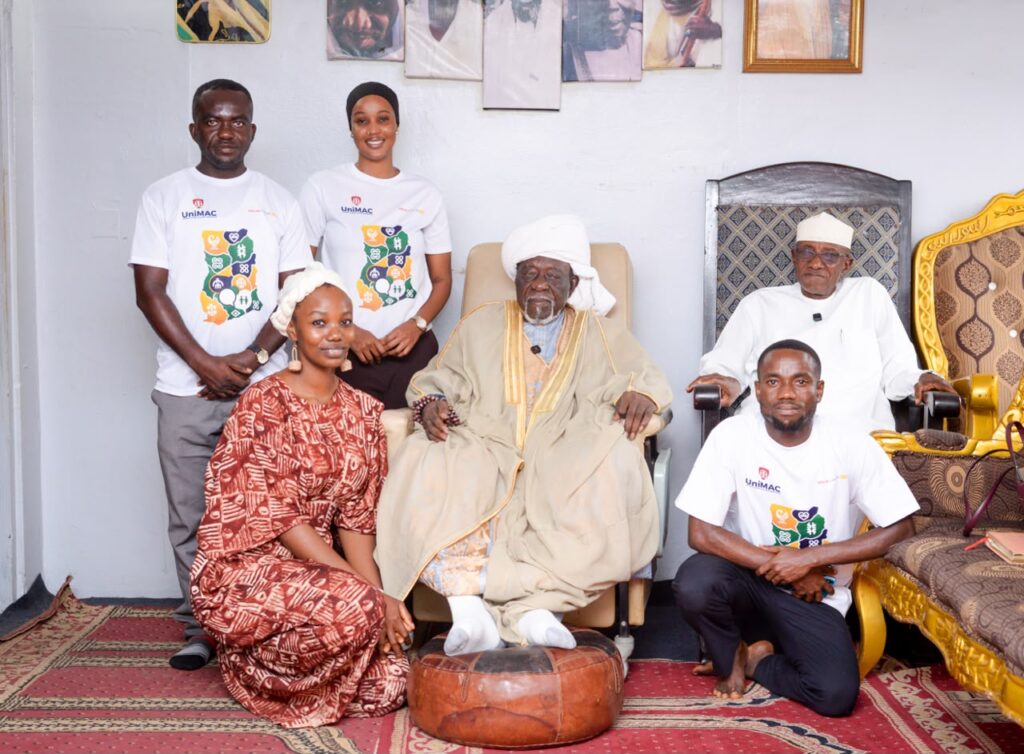
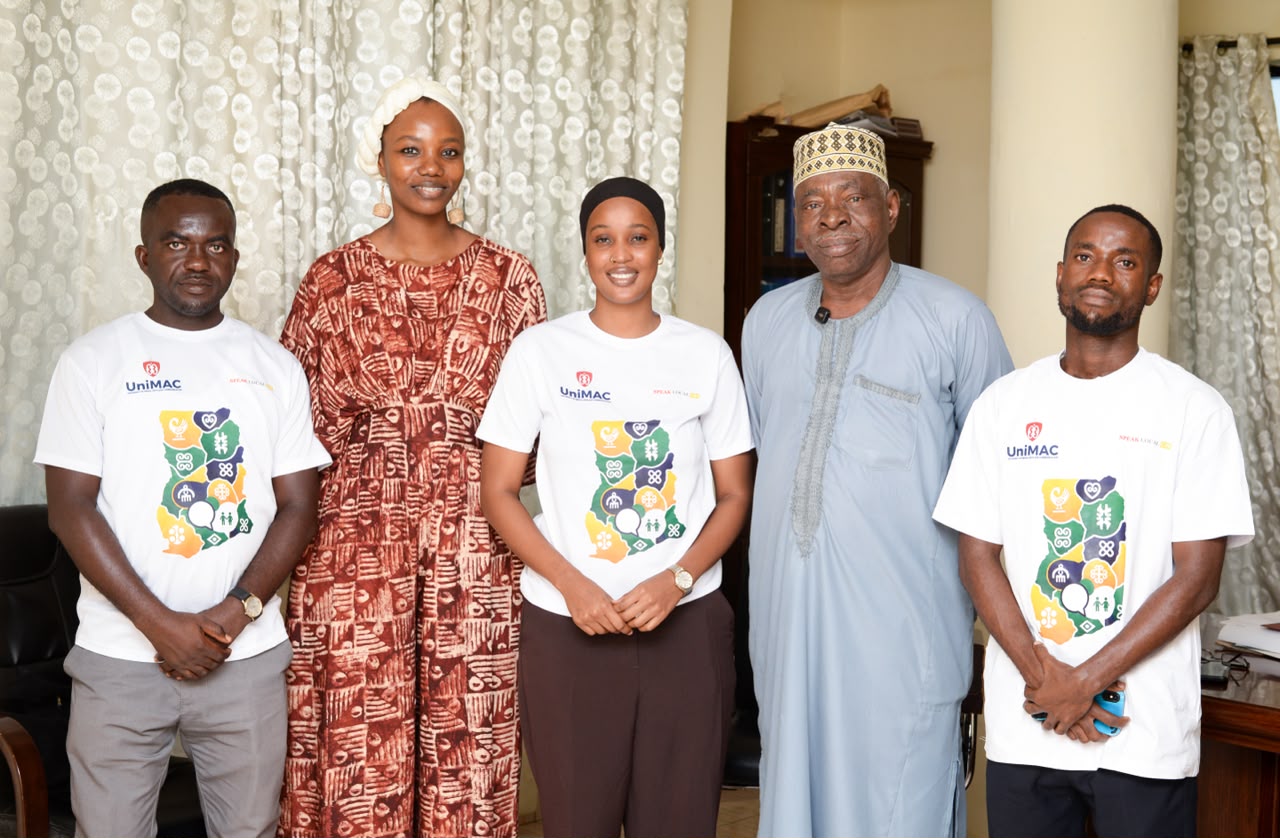
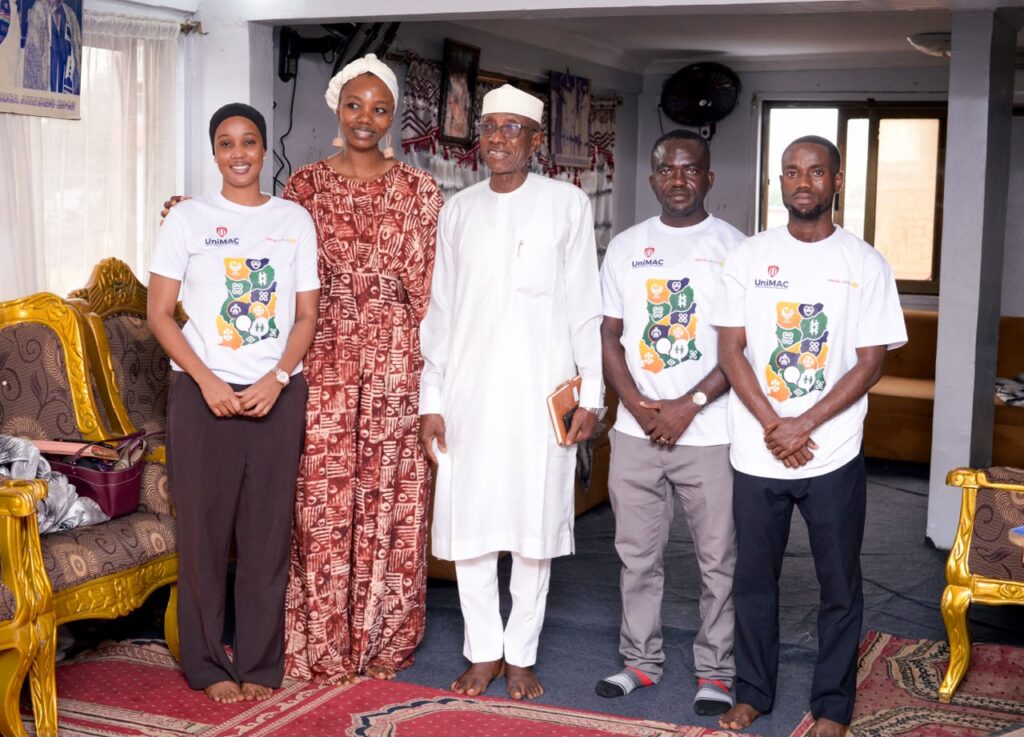
Some Ghanaian media personalities and cultural advocates, including Alhaji A. R. Gomda and Alhaji Baba Sheriff, have argued that centuries of use and integration into Ghanaian society justify recognising Hausa as part of the country’s linguistic identity.
The influence of Hausa can also be found in everyday Ghanaian expressions and place names. Words such as “donkomi” and “kafra” are believed to have Hausa origins, while places including Kasoa, Adabraka and Nima reflect historical cultural influences.
However, language preservation remains a collective responsibility.
The disappearance of Boro, Mprɛ and Dompo did not happen suddenly. They faded gradually as fewer people spoke them and fewer parents passed them on to their children.
Experts say the same fate could await endangered languages unless communities take active steps to preserve them.
Speaking indigenous languages at home, teaching them to children and using them proudly in everyday life are some of the ways Ghanaians can help protect their linguistic heritage.
This message forms the basis of the SPEAK LOCAL GH campaign, which encourages Ghanaians to value, promote and preserve local languages.
The campaign, developed as part of a Communication for Social Change project by Group 2 of the M.A. Development Communication students at the University of Media, Arts and Communication – Institute of Journalism (UniMAC-IJ), emphasises the importance of language as a tool for identity, culture and development.
Its message is simple: Speak it, Preserve it and Pass it on.
The campaign team includes Josephine Gyebuaah Ntiamoah, Maryam Gomda Ibrahim, Lawrencia Baah, Richard Mctetteh, Joseph Mawuena Kodzo Zanu, Ramla Seidu, Ishmael Oduro-Acheampong and Gertrude Owireduwaah Otchere.