
The government is set to introduce statutory time limits for goods stored in bonded warehouses as part of broader reforms aimed at improving customs administration, reducing port congestion and enhancing revenue collection.
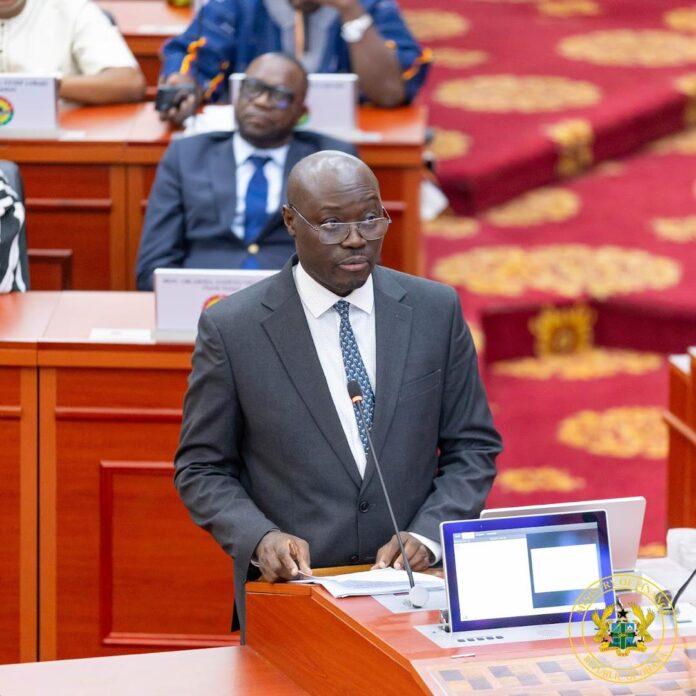
Finance Minister Dr Cassiel Ato Forson announced the measure while presenting the 2026 Mid-Year Budget Review in Parliament on Thursday, July 23.
He said the move is aimed at addressing the growing abuse of warehouse facilities, where some importers keep goods in bond for extended periods, delaying the payment of import duties and creating inefficiencies within the customs system.
According to the Minister, the new policy will establish clear legal limits on how long different categories of goods can remain in bonded warehouses before the necessary customs procedures are completed.
Under the proposed arrangement, perishable goods will be allowed to remain in warehouses for a maximum of three months, general goods for six months, and raw materials for up to 12 months.
Dr Forson also announced that the re-warehousing period will be capped at six months to prevent businesses from repeatedly extending storage periods to delay duty payments.
“To curb the abuse of warehousing, government will introduce statutory maximum warehousing periods as follows: perishable goods, three months; general goods, six months; raw materials, 12 months; and re-warehousing will be restricted to a maximum of six months, ending the practice of rolling warehouses,” he told Parliament.
As part of the reforms, every bonded warehouse will be required to install an electronic inventory management system linked directly to the Customs Division of the Ghana Revenue Authority (GRA).
The Finance Minister explained that the digital system will allow customs officials to monitor goods in real time and strengthen audit controls.
“Every bonded warehouse will be required to operate an electronic inventory system linked to customs to enable real-time monitoring and audit control. These are not merely administrative adjustments; they are structural reforms designed to accelerate revenue collection, reduce port congestion, improve compliance and provide greater certainty for legitimate businesses,” Dr Forson stated.
He said the reforms form part of government’s broader strategy to strengthen domestic revenue mobilisation, improve trade facilitation and enhance efficiency in Ghana’s customs and port operations.
Also read: