
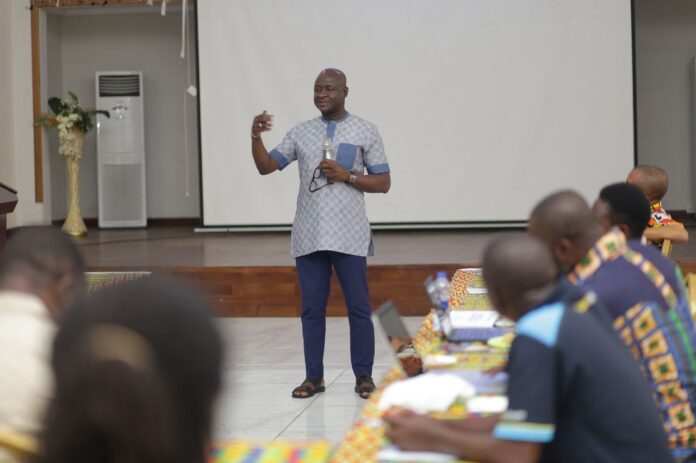

Abubakari Adamu, Child Protection and Safeguarding Specialist at Plan International Ghana, has called on journalists to prioritise child safety above the race to break news.
Speaking to Joy News at Plan International Ghana’s Media Training in Koforidua, Mr. Adamu expressed concern over the growing tendency to publish images and videos involving children without adequate protection.
“Children have rights, and journalists must respect those rights at all times,” he highlighted.
He warned that in the rush to be first, some reporters expose children to danger by revealing their identities or locations.
To illustrate, he recounted an incident where a journalist visited a farming community but encountered only children at home, as the adults were at the farms. The journalist captured their excitement and posted it online.
“When I saw it, I quickly asked that it be taken down because it could signal to bad people that the children were alone at that moment,” he shared.
Mr. Adamu explained that such content, though seemingly harmless, can expose children to exploitation, abuse, or community backlash.
He defined safeguarding as internal efforts to keep children and programme participants safe, which includes behaving appropriately, never abusing positions of trust, assessing and reducing risks, and reporting and responding properly to abuse.
He noted that children in Ghana continue to face serious protection risks, including teenage pregnancy, child labour, trafficking, streetism, sexual and gender-based violence, female genital mutilation, corporal punishment, unsafe migration, and poor sanitation-related health challenges.
He also highlighted online risks, noting that with over 10 million internet users in Ghana, children are increasingly exposed to cyber violence, explicit content, and online exploitation.
While Ghana has protective laws, including the 1992 Constitution, the Human Trafficking Act, and the Domestic Violence Act, Mr. Adamu stressed that legislation alone is insufficient without ethical journalism.
He urged reporters to show empathy when covering victims of tragedy, citing a recent plane crash and questioning the impact of circulating graphic footage on grieving families.
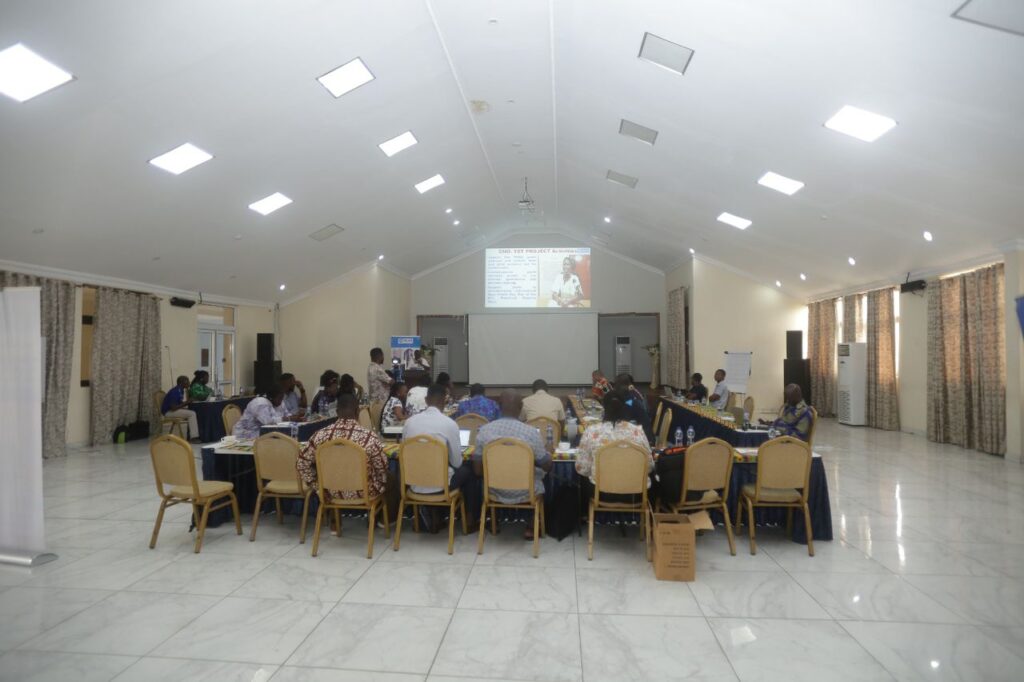
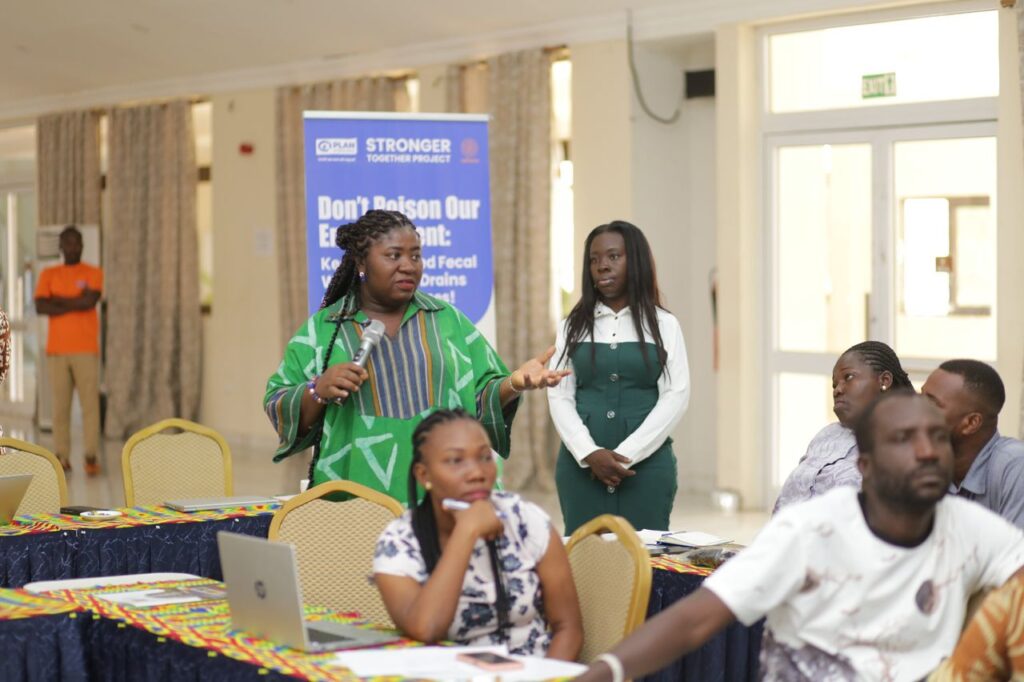
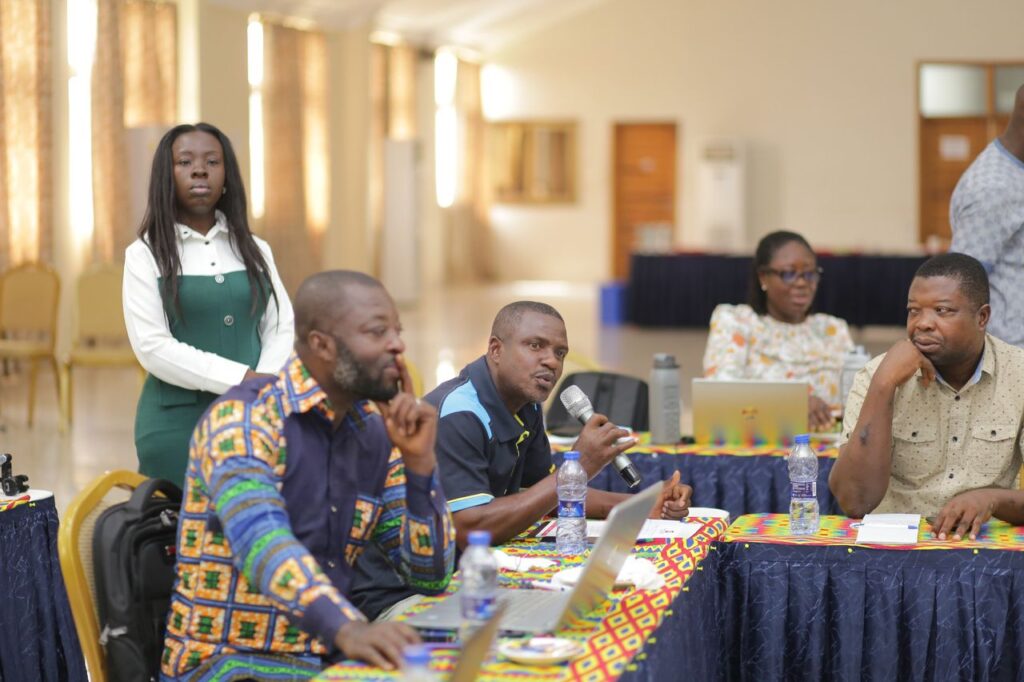
Some journalists at the session acknowledged that while they understand ethical standards, competition from bloggers and pressure from editors can influence newsroom decisions.
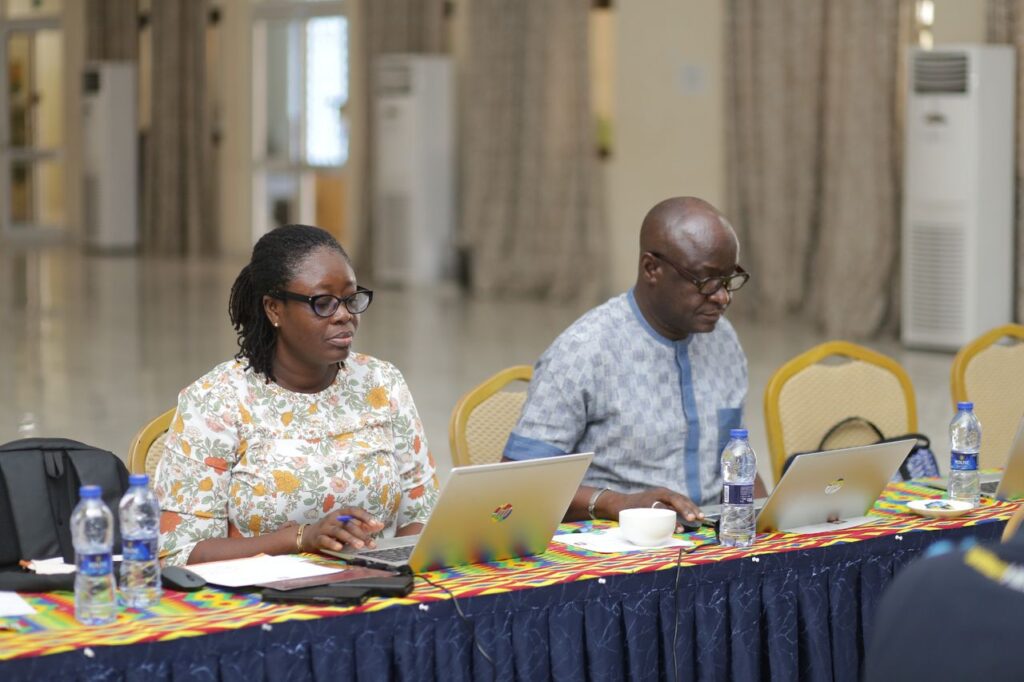
One journalist noted, “Some of us know the rules, but when we return from an assignment, our editors or bosses may question why we did not capture footage already circulating online, so we overlook the rules.”
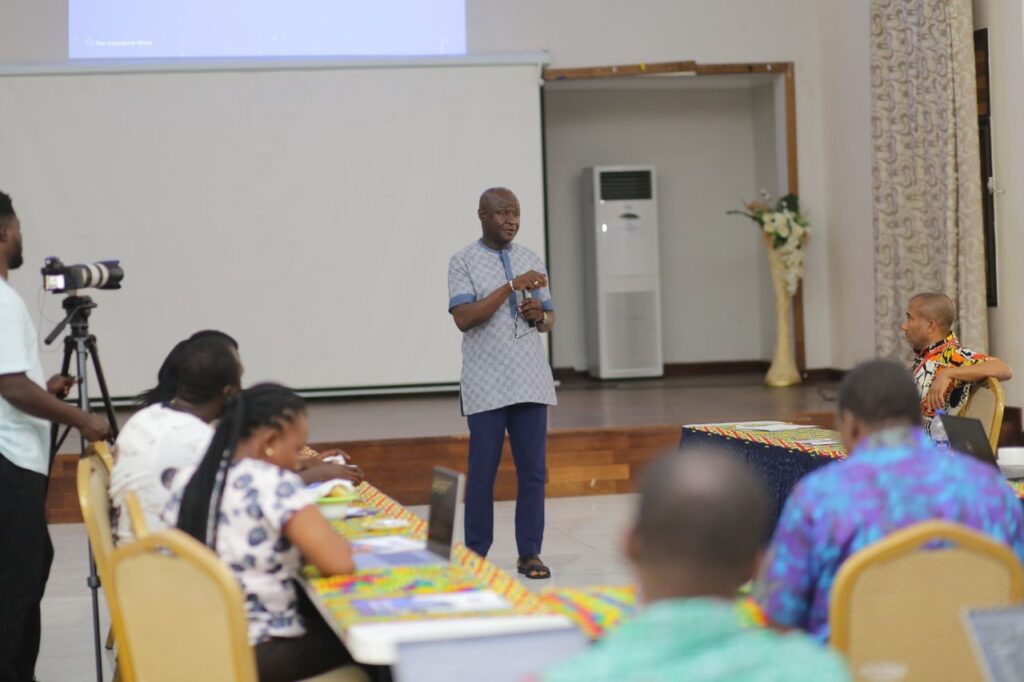
Mr. Adamu responded that safeguarding is a shared responsibility across newsrooms. “Professional journalism is guided by ethics. The code protects not only journalists but also the people we report on,” he said.
He reminded the media that childhood experiences shape adult life and that harmful exposure can leave lasting scars.
“Story value must never outweigh the wellbeing of a child,” he emphasised, concluding with a firm reminder: “Do no harm.”
ALSO READ:
