

As Ghana and Africa navigate the complexities of development, the leadership style of John Mahama, Ghana’s President, offers valuable insights. His journey from Member of Parliament for Bole/Bamboi to the presidency is a testament to his adaptability and vision. With a career spanning over two decades, Mahama has demonstrated an uncanny ability to navigate the intricacies of Ghanaian politics, earning him a reputation as a pragmatic and inclusive leader.
Mahama’s leadership path began in 1997 as an MP, where he served as Deputy Minister and later Minister for Communications. He rose to Vice President under President John Atta Mills from 2009 to 2012, assuming the presidency after Mills’ passing in 2012. He won the 2012 election, served a full term, and later became the National Democratic Congress (NDC) flag bearer in the 2020 election. In 2024, Mahama won the NDC primaries and the presidential election, defeating Vice President Mahamudu Bawumia to become President of Ghana once more.
One of the hallmarks of Mahama’s leadership is his ability to adapt to the context. Effective leaders adapt their style to support followers in achieving goals, a principle of Path-Goal theory (House, 1971). Mahama’s leadership exemplifies this adaptability. As President (2012-2017), he emphasized infrastructure development, particularly in energy and roads, clarifying paths to economic growth. The Atinka Gas Plant project, aimed at resolving Ghana’s energy crisis, is a prime example of how leaders can remove obstacles to achieve goals. In his current term, he’s prioritizing agricultural development and industrialization to boost economic growth.
Mahama’s flexibility in leadership is also noteworthy. Situational Leadership theory emphasizes adapting leadership style to follower maturity (Hersey & Blanchard, 1969). Mahama demonstrated flexibility in working with various stakeholders, including government officials and populace. When addressing Ghana’s energy challenges, he engaged experts and citizens, showcasing a participative approach suitable for complex issues. In his current term, he’s engaging with farmers and businesses to address food security and job creation challenges.
Collaboration is another key aspect of Mahama’s leadership. The Team Leadership Model highlights leaders’ roles in fostering team effectiveness (Northouse, 2018). Mahama’s efforts to build consensus among Ghana’s political and economic stakeholders reflect this model’s emphasis on collaboration. His engagement with various factions underscores the importance of teamwork in governance. For instance, he worked with opposition parties to pass key legislation on energy and infrastructure.
In his first year as President (2024), John Mahama has made notable strides in stabilizing Ghana’s economy and addressing fiscal challenges. His government’s efforts to restructure debt, boost agricultural production, and enhance domestic revenue mobilization have been widely acknowledged.
Initiatives like the Women’s Bank, aimed at empowering women entrepreneurs, and the “24-Hour Economy” policy, designed to boost economic activity, have generated buzz across the nation. However, challenges persist. Implementing these ambitious programs has been a learning curve, with teething issues and infrastructure constraints. Critics point to delays in rolling out the Women’s Bank’s services and operational challenges in implementing the 24-Hour Economy concept.
Fiscal pressures, including managing Ghana’s debt burden and inflation, also demand careful balancing. Despite these hurdles, Mahama’s emphasis on collaboration and adaptability has resonated with many Ghanaians. According to opinion polls circulating on social media, his leadership style is being welcomed by many, who appreciate his inclusive and consultative approach.
As Ghana navigates development challenges, Mahama’s pragmatic leadership provides a beacon of hope for progress and sustainable development. By leveraging his experience and engaging with stakeholders, he is driving momentum towards a more prosperous Ghana.
In conclusion, John Mahama’s leadership offers valuable lessons for leaders in Ghana and across Africa. His ability to adapt, foster collaboration, and adjust leadership styles to contexts has enhanced governance outcomes and driven national development. Leadership, however, is a two-way street. Citizens, too, play a crucial role in shaping their own destiny. Engaging with leaders, holding them accountable, and contributing to national development empowers Ghanaians to mitigate challenges and accelerate progress.
Traditional leaders also wield significant influence, particularly in addressing challenges like galamsey (illegal mining). Leveraging their community trust, they can curb environmental degradation, promote sustainable livelihoods, and support law enforcement efforts. For instance, partnering with communities to establish alternative livelihood programs for those involved in galamsey fosters economic empowerment and environmental conservation. Individual actions also make a difference.
Managing resources like electricity wisely is key. Simple habits like switching off lights, using energy-efficient appliances, and reporting power wastage contribute to the cause. Communities can organize clean-up initiatives, promote tree planting, and support local sanitation efforts, cultivating a culture of responsibility.
So, what can citizens do? Stay informed, participate in civic activities, and voice opinions on issues that matter. Supporting initiatives that promote transparency and accountability is crucial. In communities, collaborating on local projects, promoting social cohesion, and encouraging entrepreneurship can drive progress.
Political leaders, citizens, and traditional authorities working together can tackle challenges like infrastructure gaps, fiscal pressures, and economic diversification. As Mahama himself says, “The future is not something we wait for, it’s something we create.” With leaders like Mahama steering the ship and citizens actively engaged, Ghana and Africa can navigate complexities, seize opportunities, and emerge stronger.
The road ahead is challenging, but shared responsibility and collective action pave the way for a brighter future.
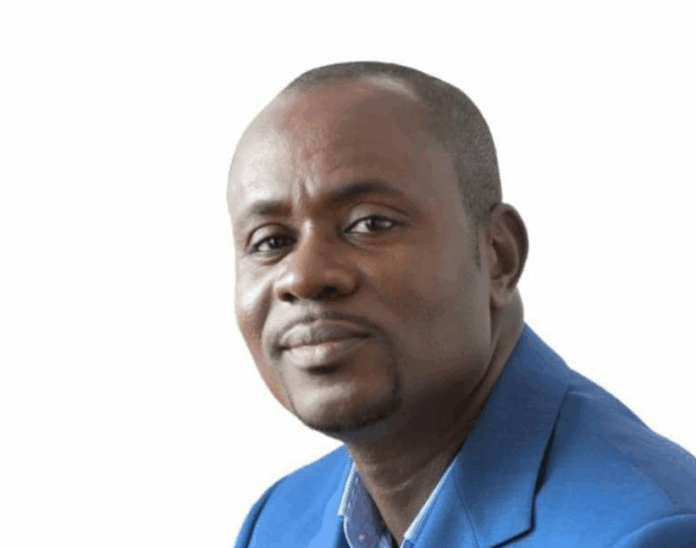
The writer is a Lecturer at University of Professional Studies, Accra, Marketing Department (0244882425).
