
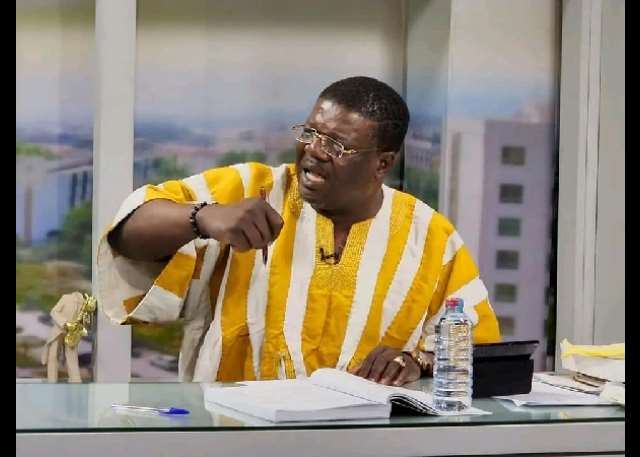

The Member of Parliament for South Dayi and Majority Chief Whip, Rockson-Nelson Dafeamekpor, has called for the decentralisation of the Office of the Special Prosecutor (OSP).
According to him, the anti-graft institution deserves a “second chance” and should be more accessible to Ghanaians across the country.
His comments come amid controversy over a private member’s bill he and Majority Leader Mahama Ayariga drafted to repeal the Office of the Special Prosecutor Act and abolish the OSP — a move that was later withdrawn at the request of President John Dramani Mahama.
Speaking on Joy FM’s Super Morning Show, Mr Dafeamekpor acknowledged the importance of patience and structural reform over abolition.
“We believe in the wisdom of the President,” he said, referring to President Mahama’s intervention, which emphasised that it was premature to scrap the OSP and that the institution remains a key pillar in the fight against corruption.
“Everybody deserves a second chance,” Mr Dafeamekpor said, making a case for strengthening the OSP rather than eliminating it. He argued that expanding its presence beyond Accra would make it more effective and responsive.
“I believe that where we are, they should have regional offices by now. It shouldn’t be cocooned in Accra and operating only from the capital. When you have issues far away from Accra, how do you handle them effectively? Operating solely from Accra increases operational costs.”
On how decentralisation could improve the institution, he said: “If you open regional offices, you can have regional officers reporting to the centre.
“This will improve efficiency, reduce costs, and make the institution more accessible to Ghanaians across the country. It is my position that the OSP should be more geographically spread out to better serve the public.”
The private member’s bill drafted by Mr Ayariga and Mr Dafeamekpor was approved by the parliamentary committee on private members’ bills and was ready to be laid before the House.
However, following President Mahama’s public statement opposing the scrapping of the OSP and his directive to withdraw the bill, the leadership agreed to reconsider the approach.
President Mahama had described calls to abolish the OSP as premature, noting that the office plays a critical role in Ghana’s anti-corruption agenda and remains the only independent institution with prosecutorial powers outside the traditional chain of command.
The debate over the future of the OSP has drawn responses from across the political spectrum, with civil society and opposition figures weighing in on the necessity of preserving independent anti-graft institutions even as discussions continue how to improve their performance and impact.
Mr Dafeamekpor’s remarks signal a growing recognition among some lawmakers that reform, including decentralisation and capacity building, may be a more constructive path forward than wholesale abolition, with a focus on ensuring that anti-corruption institutions are both effective and accessible nationwide.
ALSO READ:
