
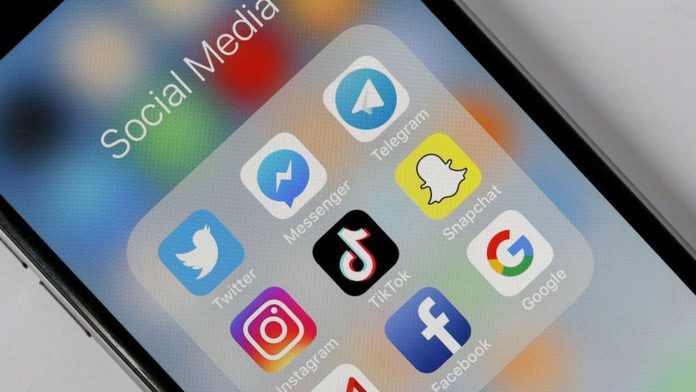

Australia on Wednesday became the first country to ban social media for children under 16, blocking access in a move welcomed by many parents and child advocates but criticised by major technology companies and free-speech advocates.
Starting at midnight (1300 GMT on Tuesday), 10 of the largest platforms including TikTok, Alphabet’s (GOOGL.O), opens new tab YouTube and Meta’s (META.O), opens new tab Instagram and Facebook were ordered to block children or face fines of up to A$49.5 million ($33 million) under the new law, which is being closely watched by regulators worldwide.
Prime Minister Anthony Albanese called it “a proud day” for families and cast the law as proof that policymakers can curb online harms that have outpaced traditional safeguards.
“This will make an enormous difference. It is one of the biggest social and cultural changes that our nation has faced,” Albanese told a news conference on Wednesday.
“It’s a profound reform which will continue to reverberate around the world.”
In a video message, Albanese urged children to “start a new sport, new instrument, or read that book that has been sitting there for some time on your shelf,” ahead of Australia’s summer school break starting later this month.
Some of those below the cut-off age of 16 were anxious about adjusting to life without social media, but others were less concerned.
“I’m not really that emotional about it,” said 14-year-old Claire Ni. “I’m kind of just, like, neutral.”
Luna Dizon, 15, said she still had access to her TikTok, Instagram and Snapchat accounts, but worried about “culture shock” once the ban took full effect.
“I think eventually, without (social media), we’ll learn how to adapt to it,” she added.
While the government has said the ban would not be perfect in its operation, about 200,000 accounts were deactivated by Wednesday on TikTok alone, with “hundreds of thousands” more to be blocked in the next few days.
Many of the estimated 1 million children affected by the legislation also posted goodbye messages on social media.
