
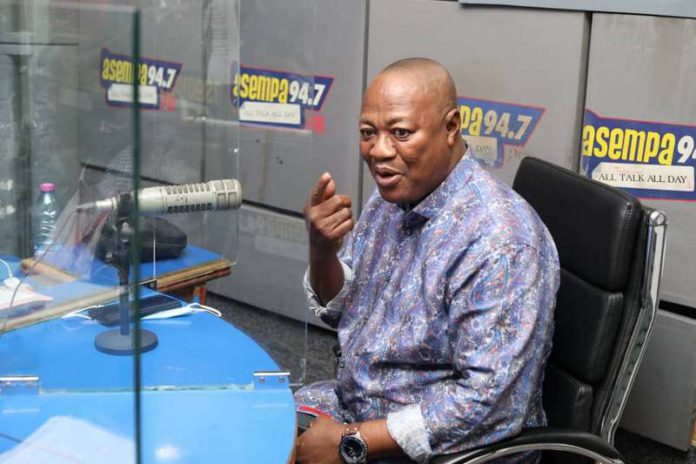

Former Mayor of the Kumasi Metropolitan Assembly, Sam Pyne, has criticized the John Mahama-led NDC government for approving higher utility tariffs at a time when inflation and the cedi–dollar exchange rate are reportedly declining.
According to him, the decision reflects “insensitivity” on the part of the administration, given the financial pressures already facing ordinary Ghanaians.
The Public Utilities Regulatory Commission (PURC) this week announced upward adjustments to electricity and water tariffs following the conclusion of its 2026–2030 Multi-Year Tariff Review (MYTO). The new charges take effect on January 1, 2026.
The PURC explained that the tariff review followed extensive investment hearings, stakeholder engagements, and regional public forums held nationwide as part of the regulatory process.
Electricity tariffs across all consumer categories are set to rise by 9.86%.
The Commission said the adjustments reflect the investment requirements of power utilities, expected generation costs, and key macroeconomic factors, including inflation, the cedi–dollar exchange rate, and the price of natural gas. Operational expenses and the regulated asset base of utilities over the next five years were also considered.
Speaking on Badwam on Adom TV, Sam Pyne argued that both inflation and the exchange rate have declined, so the logical expectation would have been a reduction in tariffs, not an increase.
He added that the upward review raises further doubts about the government statistician’s announcement of single-digit inflation, as current price movements do not align with that narrative.
The tariff hike has also drawn criticism from the labour front. The Trades Union Congress (TUC) has called on the government to revisit the 9% base pay increment announced earlier.
In a statement signed by Secretary-General Joshua Ansah, the TUC said the utility increases coincide with the implementation of what it described as a “paltry” wage adjustment — a situation dubbed the government’s “New Year’s gift to Ghanaians.”
The union noted that while the government approved a 10% wage increase this year, electricity tariffs have cumulatively risen by more than 18%.
With workers already struggling under the cost of living, the TUC argued that they were expecting relief in 2026, not additional financial pressure.
ALSO READ:
UPSA confers posthumous honorary doctorate on former first lady Nana Konadu…
Parliament approves GH¢5.3bn for Roads Ministry, but allocation ‘not enough’
