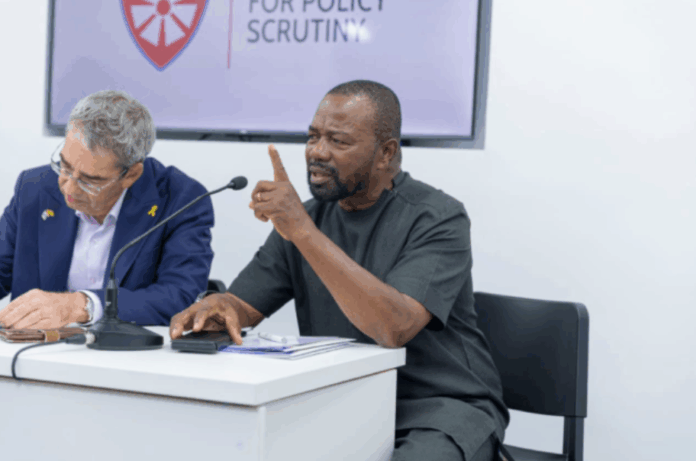

Ghana must urgently strengthen its internal security systems, intelligence coordination and community resilience to counter the rapidly evolving terrorist threats spilling over from the Sahel, international relations and security expert Dr Vladimir Antwi-Danso has warned.
Speaking at a high-level conference in Accra on Tuesday, December 2, 2025, on the theme “Fighting Terrorism in the Middle East and Africa,” organised by the Centre for Policy Scrutiny (CPS), Dr Antwi-Danso delivered a stark assessment of the emerging security landscape.
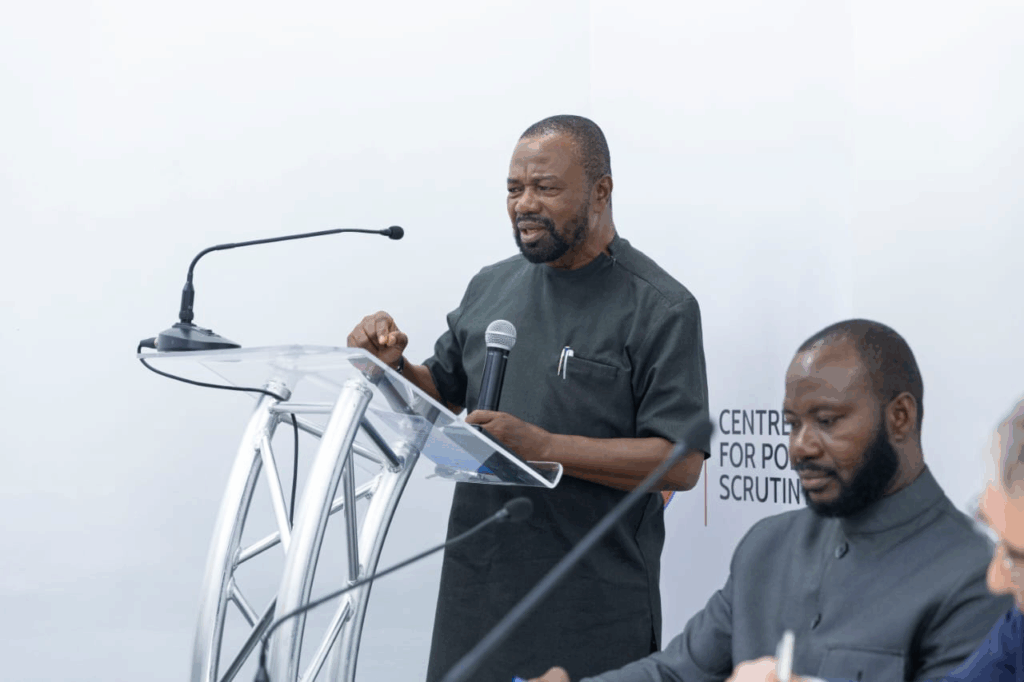
The event was attended by several dignitaries, including the Israeli Ambassador to Ghana, Roey Gilad, Member of Parliament for Ofoase-Ayirebi, Kojo Oppong Nkrumah, the MP for Akim Oda, Alexander Akwasi Acquah, and other well-known personalities.
Dr Antwi-Danso cautioned that Africa, particularly West Africa, has become the world’s most dangerous hub for terrorist activity, with extremist groups expanding across borders, adapting their methods, and exploiting governance failures.
“Terrorism is no longer just about guns and bombs. It is ideological, economic and social,” he stressed.
“If Ghana is to survive the coming wave, intelligence systems must be better coordinated, communities must be sensitised, and borders must be more effectively monitored.”
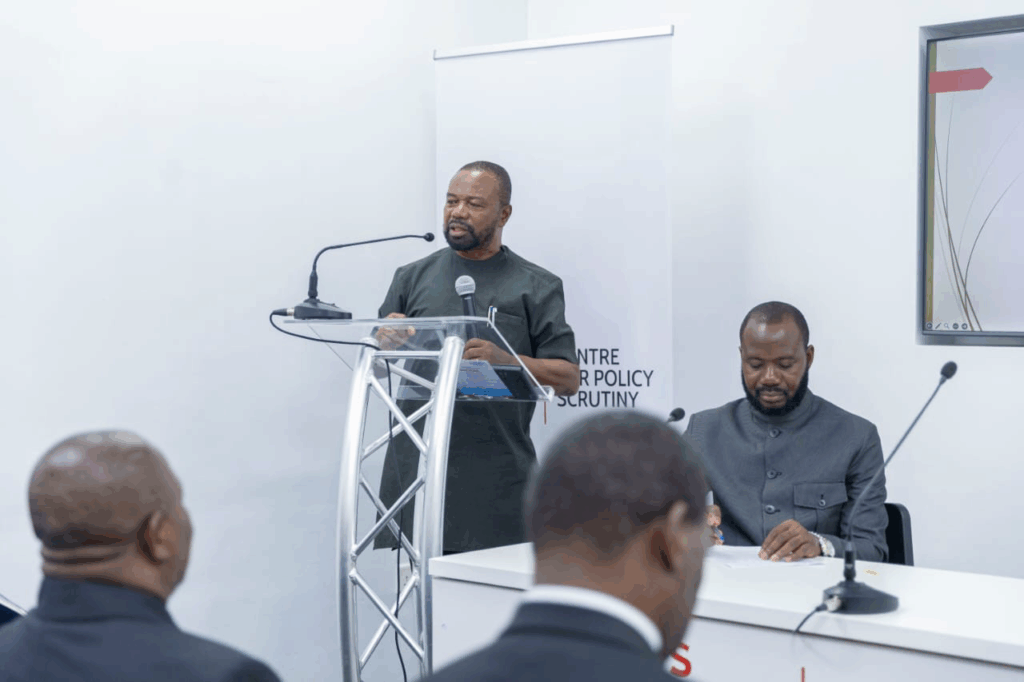
He explained that insurgent groups in the Sahel now operate through complex networks and exploit economic grievances, social tensions and local conflicts to recruit vulnerable youth.
According to him, similar fault lines exist in Ghana and require proactive management.
Describing the contemporary wave of terrorism as decentralised, he noted that groups such as ISIS and Al-Qaeda have splintered into smaller, diffused cells operating across the continent.
He referenced a 2024 United Nations report, which found that 56% of global terrorism is now concentrated in the Sahara region, making it the epicentre of extremist violence worldwide.
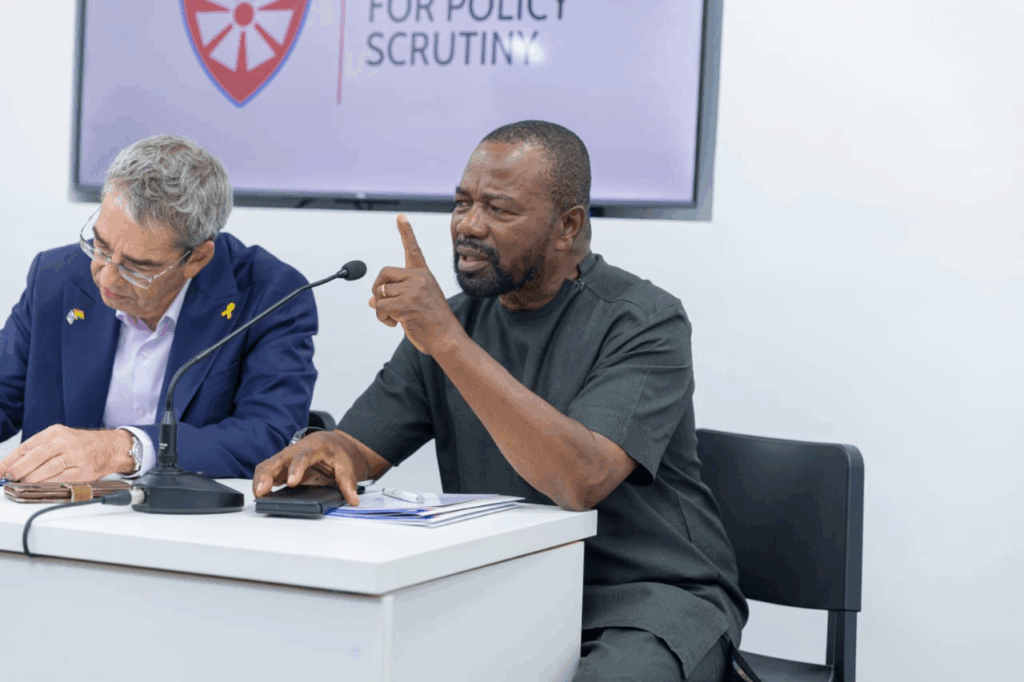
Even more worrying, he added, 70% of all terrorist attacks recorded in Africa between 2016 and 2024 occurred in West Africa.
Dr Antwi-Danso traced the roots of Sahel instability to unresolved historical tensions, poor governance, and vast ungoverned spaces across affected countries.
He emphasised that the collapse of Libya in 2011, followed by the dispersion of heavily armed fighters into the Sahara, remains a turning point in the region’s insecurity.
He warned that terrorists often use local disputes as entry points into communities.
“If local conflicts are not resolved, they become easy gateways for extremist groups. This is exactly what happened in Mali,” he said, recalling how some local factions once invited Al-Qaeda-linked fighters for support, only to lose control of the situation afterwards.
Highlighting the dangers of bad governance, he explained that terrorism thrives where citizens lack access to jobs, education and essential services.
He noted that when people feel marginalised or abandoned, extremist narratives become appealing alternatives.
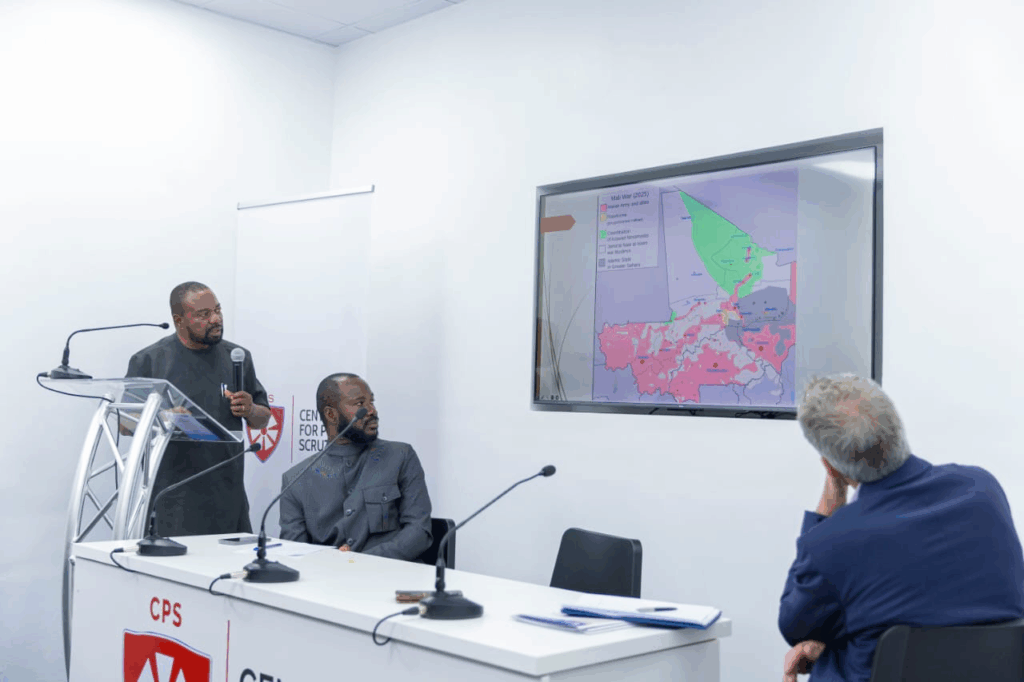
Dr Antwi-Danso, therefore, urged Ghana and neighbouring states to adopt a holistic counterterrorism strategy that blends security operations with social, cultural and ideological interventions.
“We must uproot the mindset and plant a new one. If we ignore the non-kinetic dimension, we will keep losing the war,” he advised.
The security expert cautioned that as extremist groups are pushed out of their northern strongholds, coastal states such as Ghana must brace themselves for possible infiltration.
Porous borders, cross-border ethnic ties and local vulnerabilities, he said, present opportunities for insurgent expansion if not properly addressed.
The conference concluded with a strong consensus that Ghana must enhance intelligence-sharing, strengthen border control, and invest in preventive strategies to safeguard its stability.
Experts agreed that with terrorism evolving rapidly across Africa, early action remains the country’s greatest defence.