
The tenure of the Special Prosecutor, Kissi Agyebeng, has been thrown into deep uncertainty following an unprecedented surge in petitions seeking his removal from office.
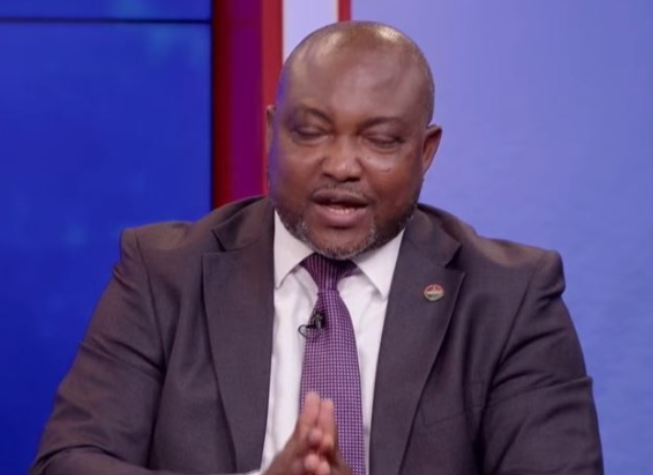
The Member of Parliament (MP) for Berekum West, Dickson Kyere-Duah, revealed an alarming count of 16 separate petitions filed against the OSP, with sources indicating more are imminent, including one from renowned lawyer Martin Kpebu.
Speaking on JoyNews’ AM Show on Tuesday, December 2, 2025, Mr. Kyere-Duah expressed profound concern over what he termed a “sheer volume of petitions”, warning that the trend risks turning the process into a tool for political instability and undermining the independence of crucial state institutions.
The Scale of the Petitions
The MP detailed the rapid escalation in the number of formal complaints lodged with the Presidency:
“My worry is the sheer volume of petitions flying in. In the case of OSP, I’m told now there are 16 petitions. In fact, as at yesterday, we were aware of seven out of the 10 that have been referred to Chief Justice.”
He confirmed the immediate impact on the ongoing processes:
“Seven were with respect to the removal of the OSP, and this morning, the sources very close to corridors of power are telling me there are 16 now, and in fact, my very good friend Martin Kpebu has also confirmed he will be adding his, and probably he will be the 17th person to add. So that is the situation.”
The MP questioned the timing and motivation behind the coordinated influx of complaints:
“The question is, why so many petitions at this particular time? That is why I said, ‘I’m a bit worried’; otherwise, we will get to a point every day we receive a petition for the removal of one person or the other.”
The Complex Legal Process Under the OSP Act
Mr. Kyere-Duah outlined the unique and rigid legal framework governing the removal of the Special Prosecutor, as mandated by the Office of the Special Prosecutor Act (Act 959).
This process bypasses direct presidential discretion and places immediate oversight in the hands of the Judiciary.
He broke down the constitutional steps now set in motion:
- Referral to Chief Justice: Petitions received by the President must be immediately referred to the Chief Justice.
- Prima Facie Determination (30 Days): The Chief Justice must then determine within 30 days whether the petitions establish a prima facie case for removal.
- Establishment of Committee (14 Days): If a prima facie case is found, the Chief Justice must, within 14 days, constitute a high-powered committee to investigate the allegations.”…and upon determination of that, within 14 days, it should constitute a committee.”
- Committee Composition: The committee must be composed of specific members:
- A Supreme Court Judge as Chairman.
- Another lawyer of not less than 15 years at the Bar.
- Any other person with expertise in investigations.
- Final Report and Presidential Obligation (90 Days): The committee is required to submit its report and recommendations to the President, through the Chief Justice, within 90 days.”…and within 90 days, their report should come back to President, through the Chief Justice and whatever recommendation that comes to the President, the President is bound to implement so here we are, and I think I will not want to jump the gun. Let us wait for the processes to go through.”
The commencement of this process means the Chief Justice’s 30-day clock began ticking on Monday, December 2, 2025, placing the spotlight squarely on the Judiciary to manage the escalating political-legal crisis surrounding the Office of the Special Prosecutor.
READ ALSO: