
Ghana continues to grapple with a significant tuberculosis (TB) burden, with about 44,000 people developing the disease annually, yet fewer than half are detected and placed on treatment.
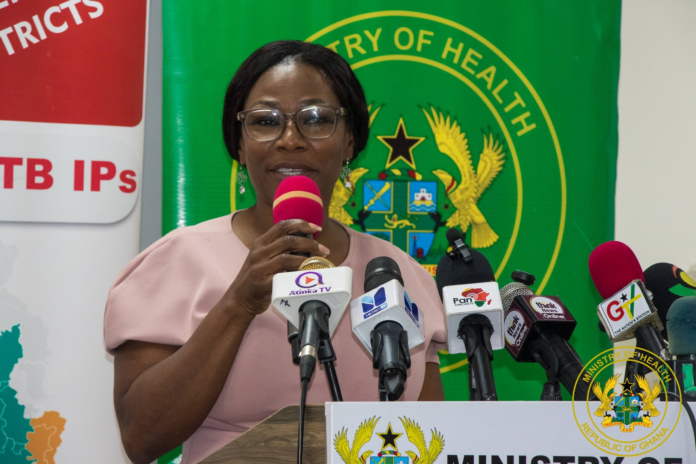
This concern was highlighted by the Deputy Minister for Health, Grace Ayensu-Danquah, as the country joined the global community to mark World Tuberculosis Day 2026.
Speaking under the theme “Yes! We Can End TB: Led by Communities, Powered by the People,” she called for renewed national commitment to eliminate the disease, stressing that the gap between infection and treatment remains a major obstacle in Ghana’s fight against Tuberculosis.
According to her, government is intensifying efforts to improve early detection and access to care. These include the procurement of artificial intelligence-enabled digital X-ray systems, 15 GeneXpert machines, and TB-LAM test kits, as well as the rollout of the Free Primary Healthcare programme to expand access to essential services.
Director-General of the Ghana Health Service, Samuel Kaba Akoriyea, underscored the urgency of identifying and treating all TB cases, noting that this is critical to breaking the chain of transmission and saving lives.
He commended health workers across the country for their continued dedication, describing their role in diagnosing, treating, and supporting TB patients as vital to national control efforts.
Meanwhile, Fiona Braka of the World Health Organization warned that TB remains a major public health threat across Africa, claiming lives every 83 seconds. She called for stronger leadership, increased investment, and greater community involvement to accelerate progress toward ending the disease.
Ghana’s commemoration of World TB Day reinforces a unified message — that with sustained political will, adequate resources, and active community participation, ending tuberculosis as a public health threat is achievable.